Typical prices at a glance
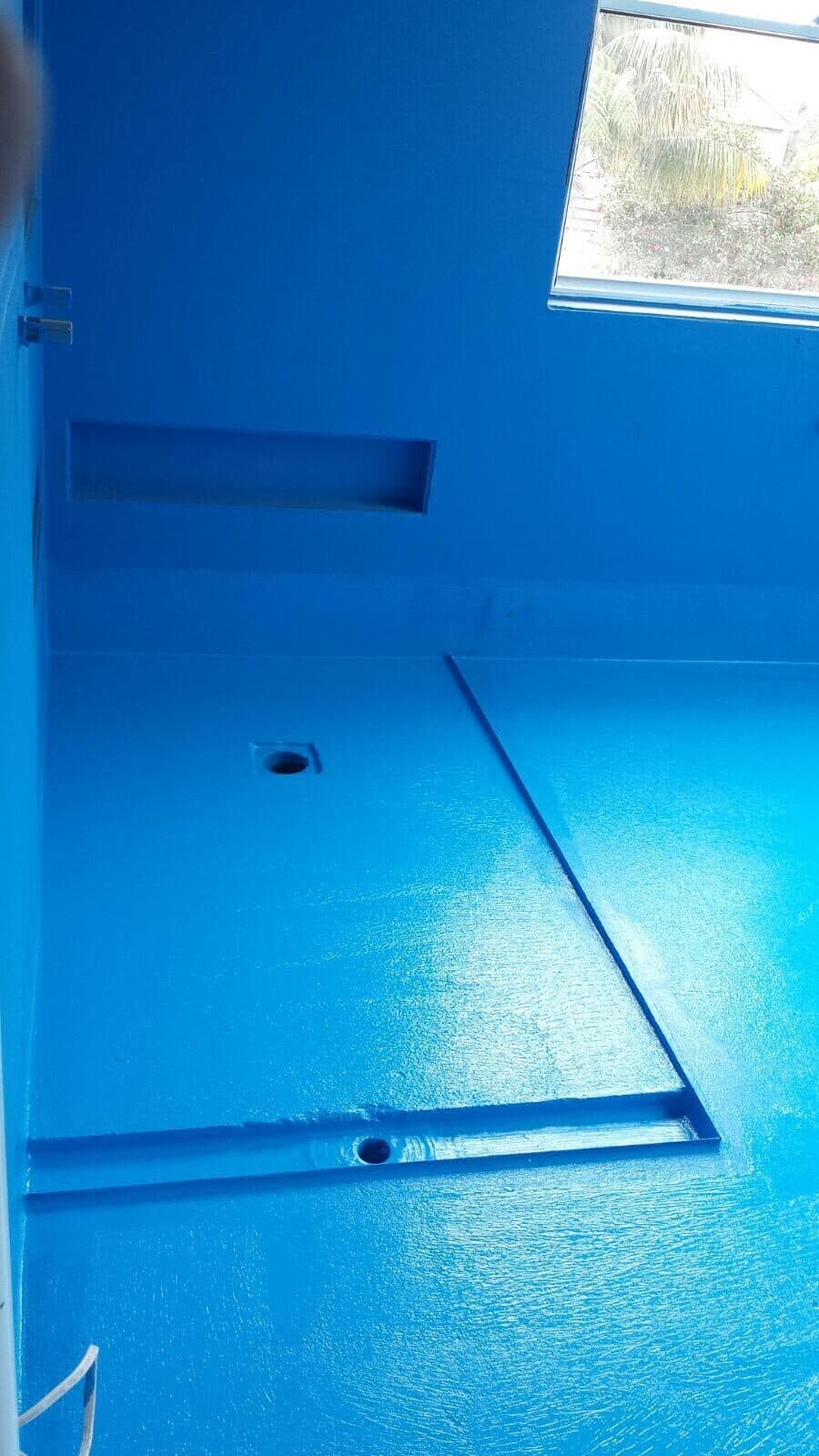
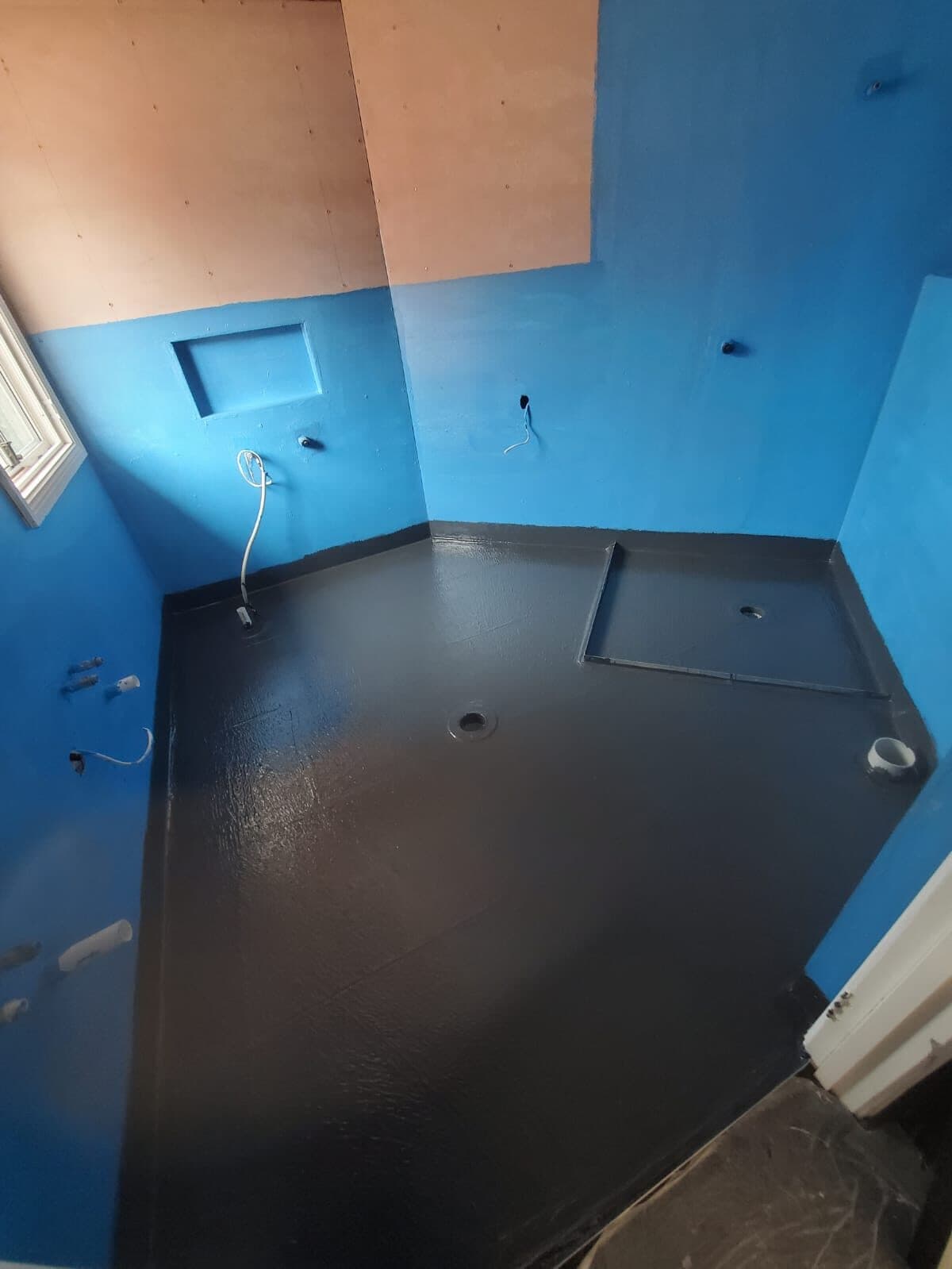
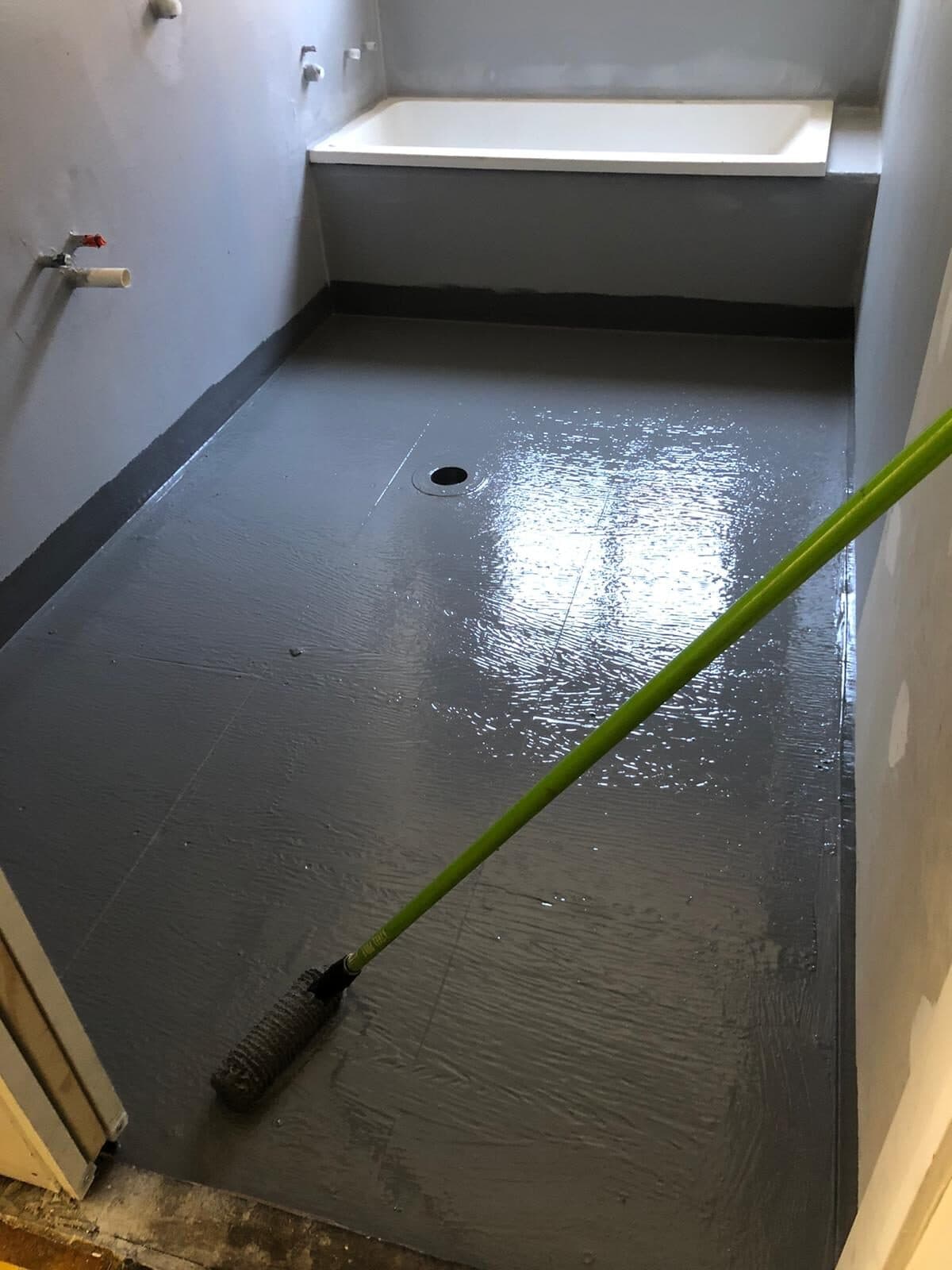
- Bathroom membrane in a renovation
- $600–$1,200
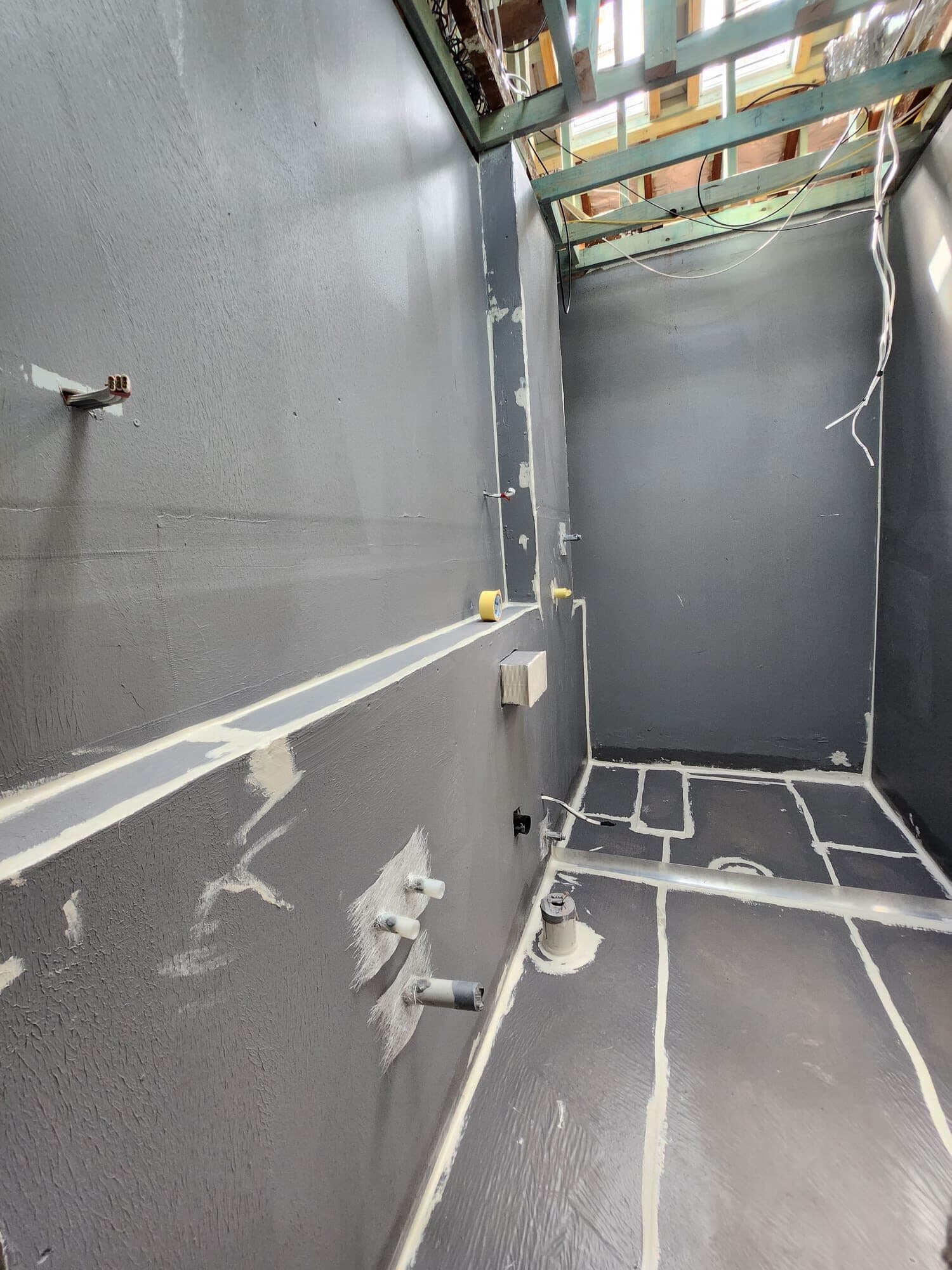
- Primer, bond breakers, the waste detail and the membrane across the floor and up the shower walls, with the tiles already off. Not included: strip-out, screed and tiling.
- Leaking shower re-waterproofed
- $2,500–$6,500
- The whole job: tiles, bed and failed membrane out of the shower recess, a new membrane, and the recess retiled by a licensed tiler.
- Balcony stripped and re-membraned
- $350–$650 per m²
- The whole job: tiles, screed and old membrane removed to the slab, a new membrane, then the screed and tiles relaid by a licensed tiler. Not included: concrete cancer repairs and balustrade work.
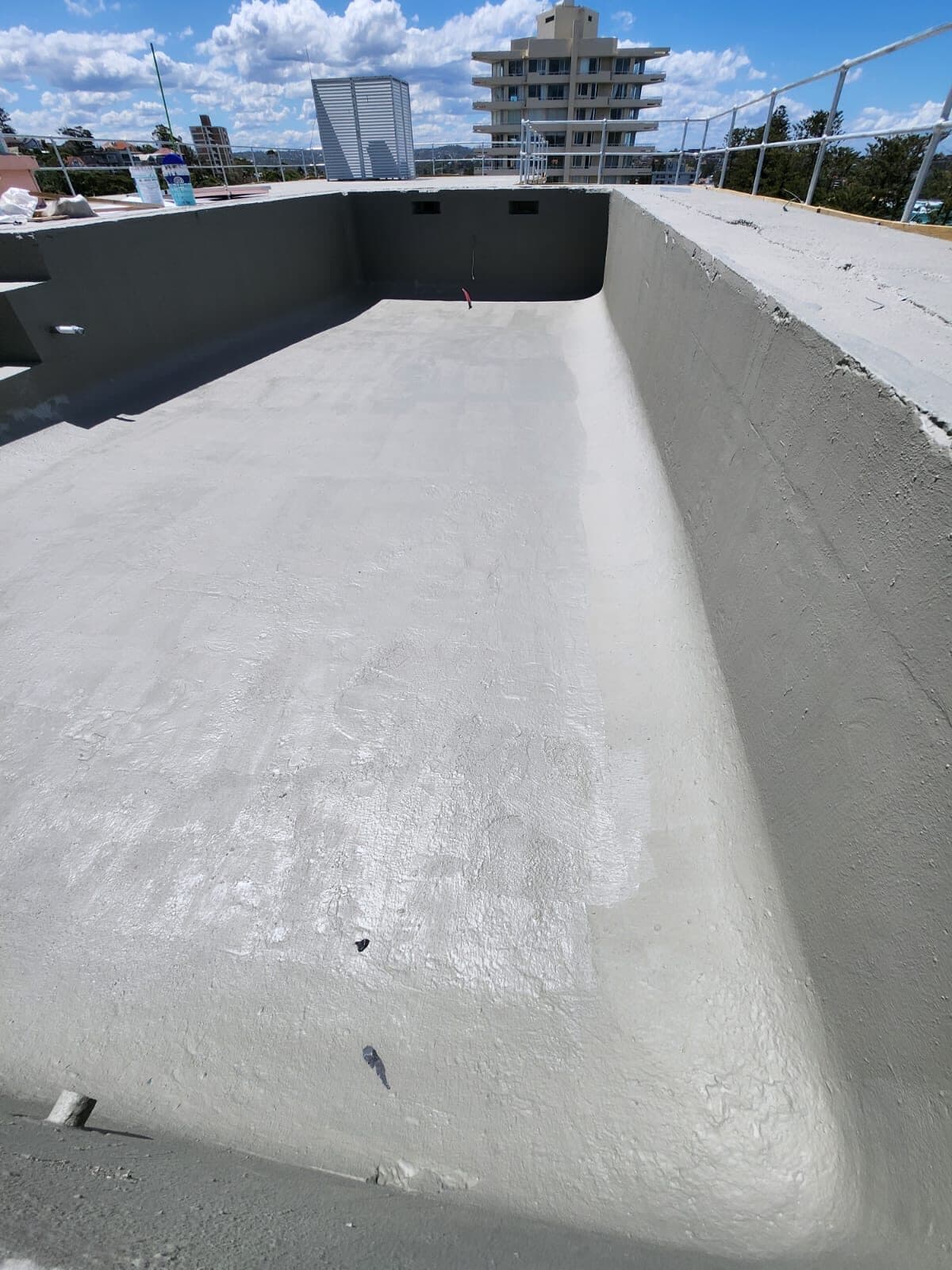
- Pool fully retiled
- $15,000–$35,000
- The whole job on a typical residential pool in ceramic or porcelain: old tiles off, the surface prepared, a membrane, then new tiles supplied and laid by a licensed tiler. Not included: shell or concrete repairs, major re-rendering, coping and the water to refill.
- Pool waterline tiles replaced
- $2,000–$5,000
- Old waterline tiles and adhesive removed, the surface prepared, and new tiles set and grouted by a licensed tiler. Not included: draining and refilling, coping and render repairs.
The area, what the membrane goes onto, access, strip-out and the membrane system all move the price. A new shower recess on a sound slab and a leaking strata balcony with the tiles still down are different jobs. That is why the written quote is the figure to rely on.
Roofs, torch-on, basements, retaining walls and lift pits vary too much with area and access for a typical figure to help. We price those from photos or a visit. The pool figures are typical prices for the whole retile, with the tiling by a licensed tiler: see pool retiling costs.
For a bathroom or shower, see our bathroom and shower waterproofing page.
What goes into the price of any waterproofing job?
Square metres matter less than most people expect. The membrane is cheap next to the labour around it, and most labour goes into the details. Every inside corner, wall-to-floor join, pipe, floor waste and door sill is prepared and sealed by hand. A small room with lots of corners and fittings can take longer than a large, open floor.
Preparation adds the rest:
- The surface. A membrane has to go onto a clean, dust-free surface with no dents or flaws. Getting old screed, cracked render or long-wet sheeting to that state is part of the price.
- Strip-out. Removing old tiles, screed and membrane adds time and tip fees.
- Access. Carrying materials up stairs, through a unit block or onto a roof adds cost.
Each coat cures before the next, and the membrane cures again before tiling. So most jobs need more than one visit, and the quote should say how many.
Is waterproofing priced per square metre?
Large, open areas are. Small rooms usually aren't.
A stripped and re-membraned balcony or terrace is commonly quoted by area, at $350–$650 per m², because the slab, screed and tiles scale with size. A small ensuite has the same corners, joins, floor waste and shower walls as a large bathroom. Those details take most of the time, so bathrooms are quoted per job.
If you get a per-square-metre rate for a bathroom, ask what it includes. A membrane that works needs the primer, bond breakers at every join, the waste detail, shower walls to full height and a flood test. A low rate that leaves some out isn't comparable with a quote that lists them.
What changes the price of bathroom waterproofing?
The biggest question is renovation or repair. In a renovation the tiles are already off, so you pay mostly for preparation and membrane. When a shower leaks with the tiles still on, the tiles, bed and failed membrane come out first. That strip-out can be a large share of the cost.
The floor under the bathroom changes how much gets waterproofed. For houses, the building code says:
- the shower floor and walls must be waterproof, the walls to at least 1800 mm above the floor
- outside the shower, a concrete or fibre-cement floor must be water resistant
- a timber-based floor must be waterproof across the whole room.
So an upstairs bathroom on timber needs more membrane and wall detail than a ground-floor bathroom on a slab.
A hobless or level-entry shower takes more work than one with a hob. It needs a waterstop, carefully set falls and the membrane taken to the right place at the threshold. Our guide to walk-in and hobless shower rules explains what the code asks.
On concrete floors, the membrane finishes in a drainage flange, a collar on the floor waste that it seals into. If the old waste fitting has to be replaced, plumbing work is added.
Regrouting and resealing are cheaper, but they only fix failed grout and silicone. If water shows on the other side of the wall or the ceiling below, the membrane has usually failed. A regrout will not stop it.
What changes the price of balcony waterproofing?
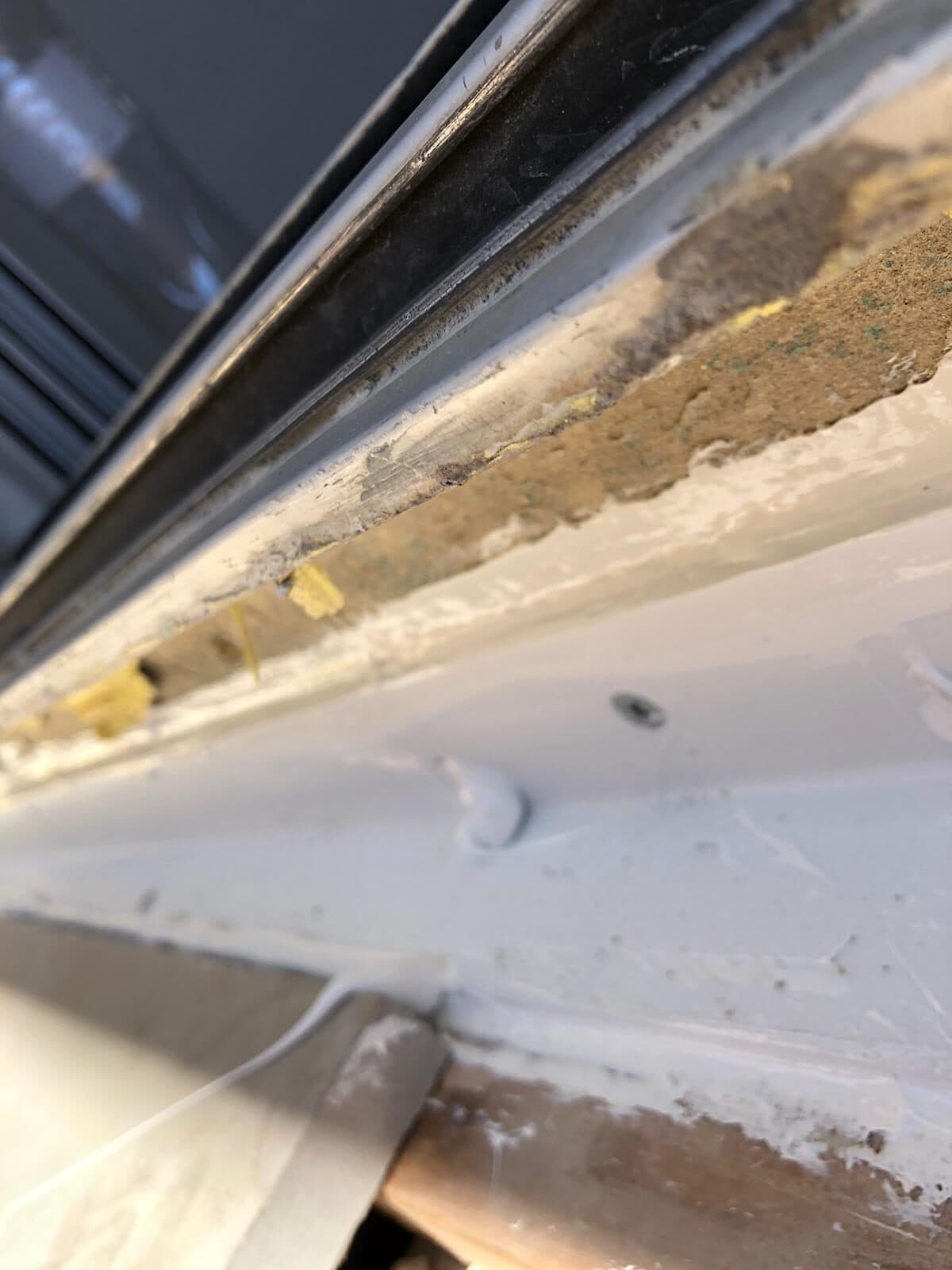
First, do the tiles have to come up? A leaking balcony usually needs the tiles and failed membrane removed. Water gets in where a coating on top can't reach: the door sill, floor waste, wall joins and balustrade fixings.
Then the price follows the details:
- Door and window sills often need the most work, as the membrane runs up and under the frame.
- Balustrade posts fixed through the slab each need sealing.
- Ponding water means wrong falls, so the screed is regraded first.
- Planter boxes add inside corners, drainage and a membrane that resists roots and wet soil.
On strata balconies, approvals and access matter too: who approved the work, how materials get there and whether work is staged around residents. A good quote spells those out. See our balcony, terrace and planter box waterproofing page for how we approach these jobs.
What changes the price of roof and torch-on waterproofing?
Flat concrete roofs and roof terraces are large, so the system chosen matters more to the total. A membrane left in the sun must be rated for UV exposure. One covered by tiles, pavers or screed can be a different product. Removing an old membrane, repairing the slab and rebuilding outlets and overflows can cost more than the new membrane.
Torch-on is a bitumen sheet bonded with a gas torch. It suits large, flat areas. But the open flame needs a safe work area and care around anything that can burn. That can rule it out near timber, cladding or other heat-sensitive materials. See our roof waterproofing and torch-on waterproofing pages.
What changes the price of basement and below-ground waterproofing?
The main question is which side of the wall can be reached:
- Outside (the positive side). This means digging down to the footing. Digging, shoring and backfilling can cost more than the membrane.
- Inside (the negative side). Used when the outside can't be reached. These systems hold back water pressing from behind, and need sound concrete with every crack and joint treated.
Drainage that relieves water pressure behind a wall or under a slab can matter as much as the membrane. Lift pits on strata buildings add tight access and constant water pressure. Our basement and below-ground waterproofing page explains the options.
What about remedial waterproofing on a strata building?
A remedial job has two parts: finding the cause, then fixing it. Finding it can mean lifting tiles, opening a ceiling or testing one area at a time. A quote that skips this is guessing. The repair price then depends on access through lots or common areas, staging around residents and how much old system comes out. Our remedial and strata waterproofing page covers how these jobs run.
What should a written waterproofing quote include?
A fair quote shows exactly what you are paying for. Look for:
- the areas covered and how far the membrane goes, such as shower walls to 1800 mm or the whole bathroom floor
- whether strip-out and rubbish removal are included
- how surface repairs found under the old tiles will be handled
- the membrane system and the Australian Standard it is installed to (see our standards guide)
- how long the membrane needs before tiling, and who does the tiles
- a flood test, and a waterproofing certificate at the end
- the warranty: in NSW, home building work carries legal warranties of 6 years for major defects and 2 years for other defects
- the licence holder's name and number, and whether GST is included.
Under NSW law, jobs over $5,000 including GST need a written contract naming the licence holder and number. The deposit can't be more than 10% of the price.
Why is a cheap waterproofing quote a risk?
Tiles cover the waterproofing within days, so a low price usually leaves out steps nobody sees: bond breakers at the corners, enough coats for the right thickness, the primer, the drainage flange connection or cure time. None of that shows on tiling day. It shows months or years later as a stained ceiling, and the fix means lifting the new tiles too.
Check that each quote covers the same areas, extent and standard. Check each contractor's licence on the NSW Government licence register.
How do you get an accurate quote?
Photos get you most of the way. Send a wide shot and close-ups of cracked grout, stains or lifting tiles. If water is showing, add the ceiling or wall below or beside it. Tell us the floor type (concrete or timber), whether the tiles stay, and the suburb and access.
What this means for you
Use the typical prices to set a budget, then compare quotes on what they include. For a free written quote on any job, send photos of the area through our enquiry form, or call 0451 662 300.
Technical detail for builders and certifiers
Code and standards references
- Surface preparation. A membrane has to be applied to a clean, dust-free surface without indentations or imperfections: ABCB Housing Provisions, Part 10.2 (wet area waterproofing).
- Shower and floor rules for houses. Housing Provisions 10.2.2 and 10.2.3: the shower floor and walls are waterproof, the walls to at least 1800 mm above the floor. Outside the shower, a concrete or fibre-cement floor is water resistant and a timber-based floor is waterproof across the whole room.
- Floor wastes. On concrete floors, the membrane is terminated into a drainage flange at the waste.
- Installation standards. AS 3740 for internal wet areas. AS 4654.2 for balconies, terraces and roofs.
- Warranties. The 6-year and 2-year periods are the NSW statutory warranties for residential building work.
- Contract type. Over $5,000 including GST: a small jobs contract up to $20,000, and a full home building contract above that.
Sources (2)
- 1.ABCB Housing Provisions, Part 10.2: wet area waterproofing (checked 12 October 2026)
- 2.NSW Government: contracts for residential building work (checked 12 October 2026)