
NSW contractor licence 260823C
Remedial, strata and commercial waterproofing in Sydney
We repair waterproofing that has already failed in Sydney homes, unit blocks and commercial buildings: leaks that keep coming back, balconies and roofs over occupied rooms, and repairs over sound tiles where the surface allows.
 Finished look
- Fixed where the water gets in
- A written scope strata can compare
- Old sealers and coatings taken off
Get a free quote
Remedial, strata and commercial waterproofing
Add photos if you can. We usually reply within one business day.
NSW contractor licence 260823C
Our service
What remedial waterproofing includes
Repairing at the source
The repair goes on the balcony, roof or wet area above the stain, where the water gets in, not on the ceiling where it shows.
A defined scope
The area, the repair method and what is being removed are named before work starts, so an owners corporation can compare quotes for the same work.
Taking old repairs off
Grinding off sealers, coatings and loose tiles so the new system bonds to something sound.
New membrane at the weak points
Reinforcing at junctions, door sills, outlets and penetrations, where leaks in older buildings most often begin.
Signs
Which repair fits
One detail has failed
A leak at a single door sill, outlet, post or pipe can often be repaired locally, as long as the rest of the membrane is sound.
Sound tiles, leaking grout
If the tiles are firmly bonded and the floor drains to its outlet, a membrane system made to go over existing tiles can avoid demolition.
Drummy tiles or ponding
Hollow tiles or water that sits mean the bed underneath has to come out, so the area is stripped to the slab and waterproofed again.
Patched more than once
Layers of sealant and coating have to be removed before anything new will bond, and they often show where earlier repairs were tried.
The build-up
A repair over existing tiles
An over-tile repair on a sound balcony or terrace. A stripped repair follows the balcony build-up instead.
The wearing surface; where new tiles are wanted instead, they go on adhesive over the cured membrane.
Covers the whole area and turns up the walls and under the sills.
Fabric bedded into the membrane where movement is expected.
Lets the system bond to glazed or sealed tile.
Loose and drummy tiles are removed and the rest ground back.
Stays in place; cracks and joints are checked first.
Diagram of a typical job, not to scale. Select a layer to see what it does.
Step by step
How the job runs
- 1
Photos and access
Photos of the stain and the area above it. On a strata building, access is arranged through the strata or building manager.
- 2
The source found
The leak is traced to where water gets in, the balcony, roof or wet area above, not the ceiling where it shows.
- 3
A defined scope
The area, the repair method and what comes off are written into the quote, so quotes can be compared for the same work.
- 4
Repaired at the weak points
Old sealers and loose tiles come off, then new membrane with reinforcing at junctions, sills, outlets and penetrations.
Prices
How we price remedial, strata and commercial waterproofing
Remedial jobs run from one door sill to a balcony stripped back to the slab, so we price them from photos or a visit once the cause is found. Quotes are free.
What moves the price: our cost guideWhy choose us
Licensed, insured and backed in writing
A licensed waterproofer who does the job once and does it properly, with the insurance, paperwork and warranty to back it.
Check licence 260823C on the NSW registerLicence 260823C
NSW Waterproofing Technician since 2013, current to 10 July 2028.
$20m insured
Public liability cover on every job, big or small.
Statutory warranties
On home building work in NSW: six years for major defects, two for others.
Tested before it’s covered
Showers, bathrooms, balconies and flat roofs flood tested, with a waterproofing certificate.
Job photos
Our work on this service
Photos from our own jobs.
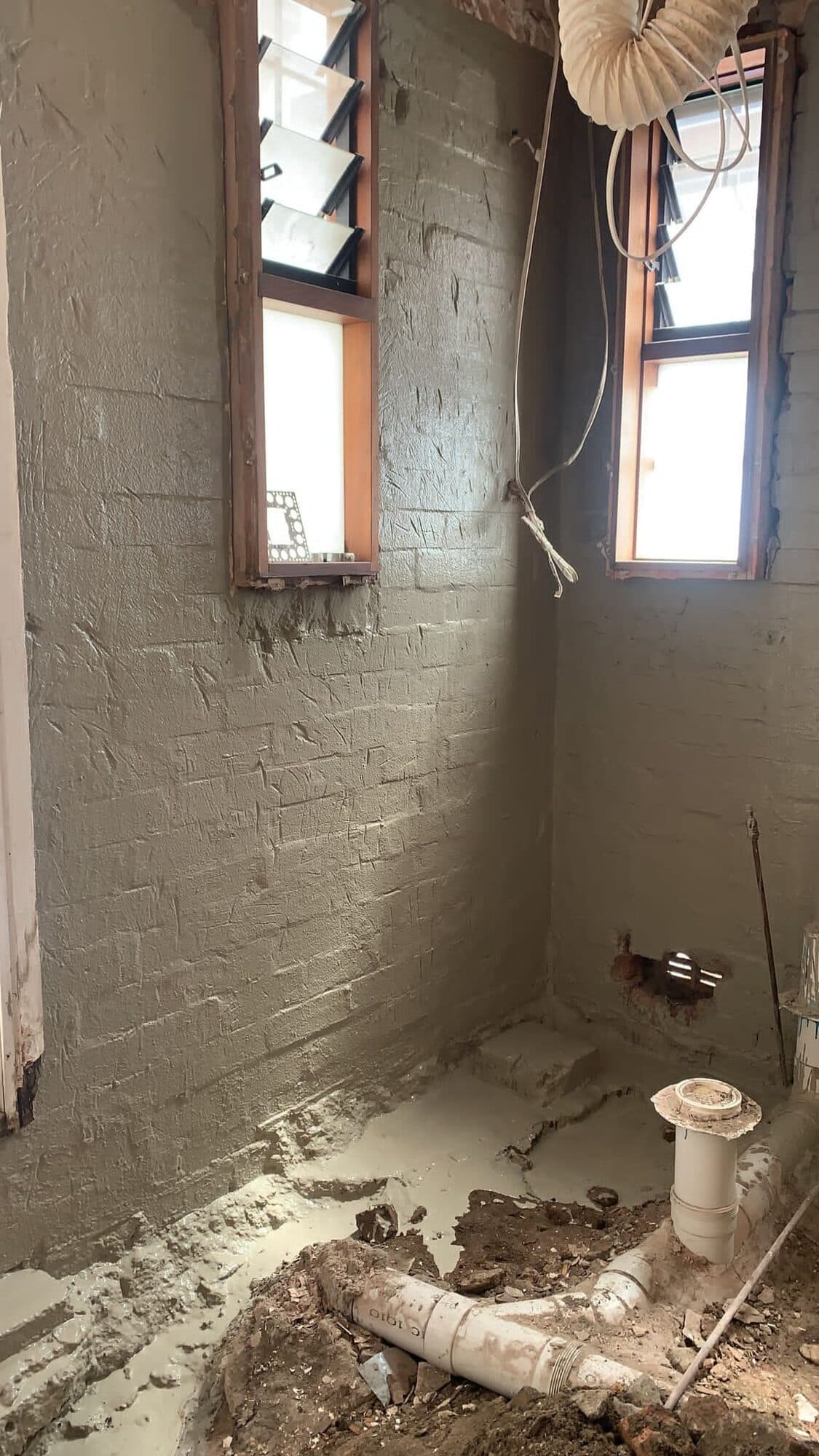
An older brick bathroom: walls coated while the floor is open for new plumbing 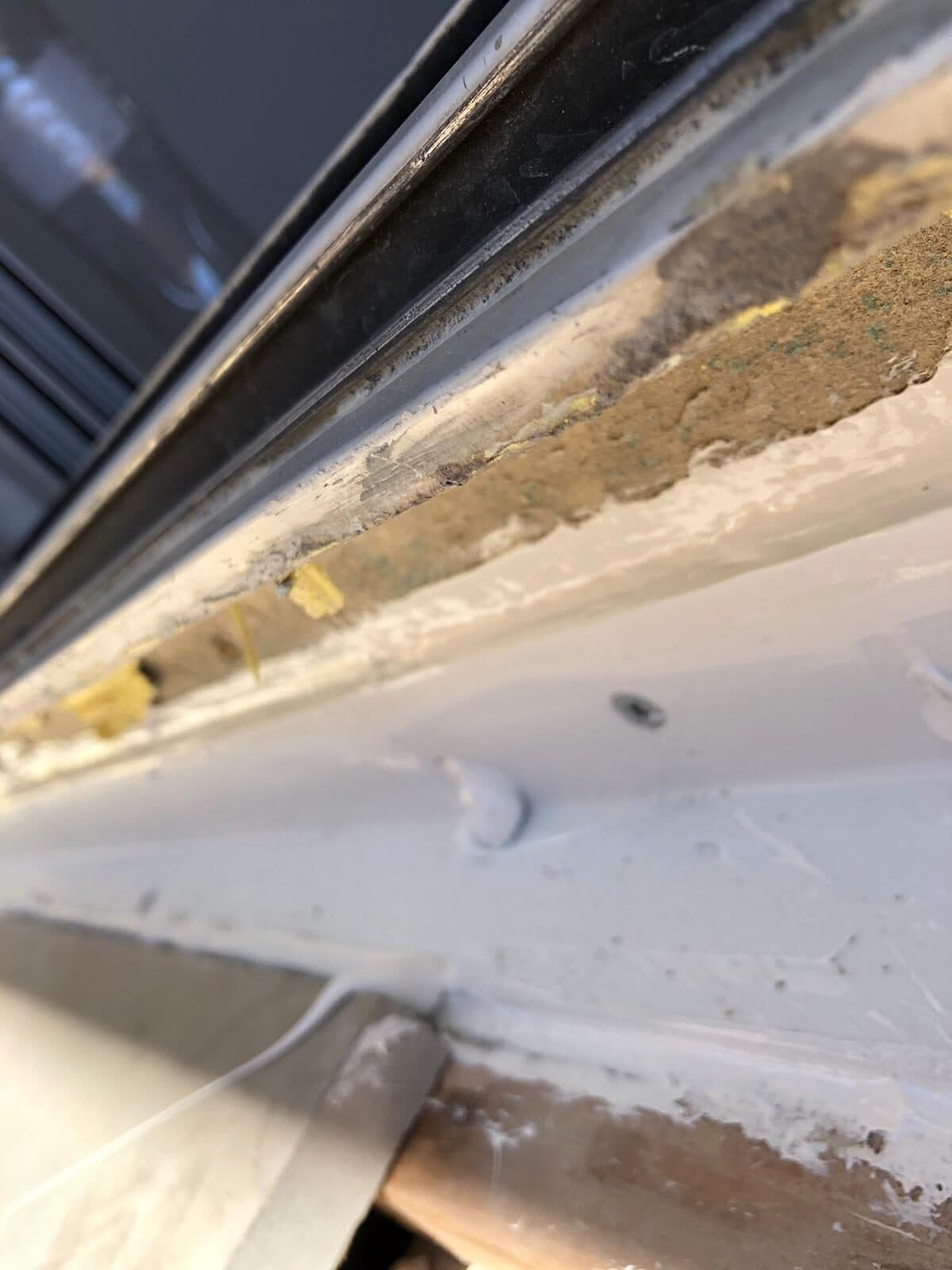
Membrane turned up under the door frame, a common place for balcony leaks to get inside 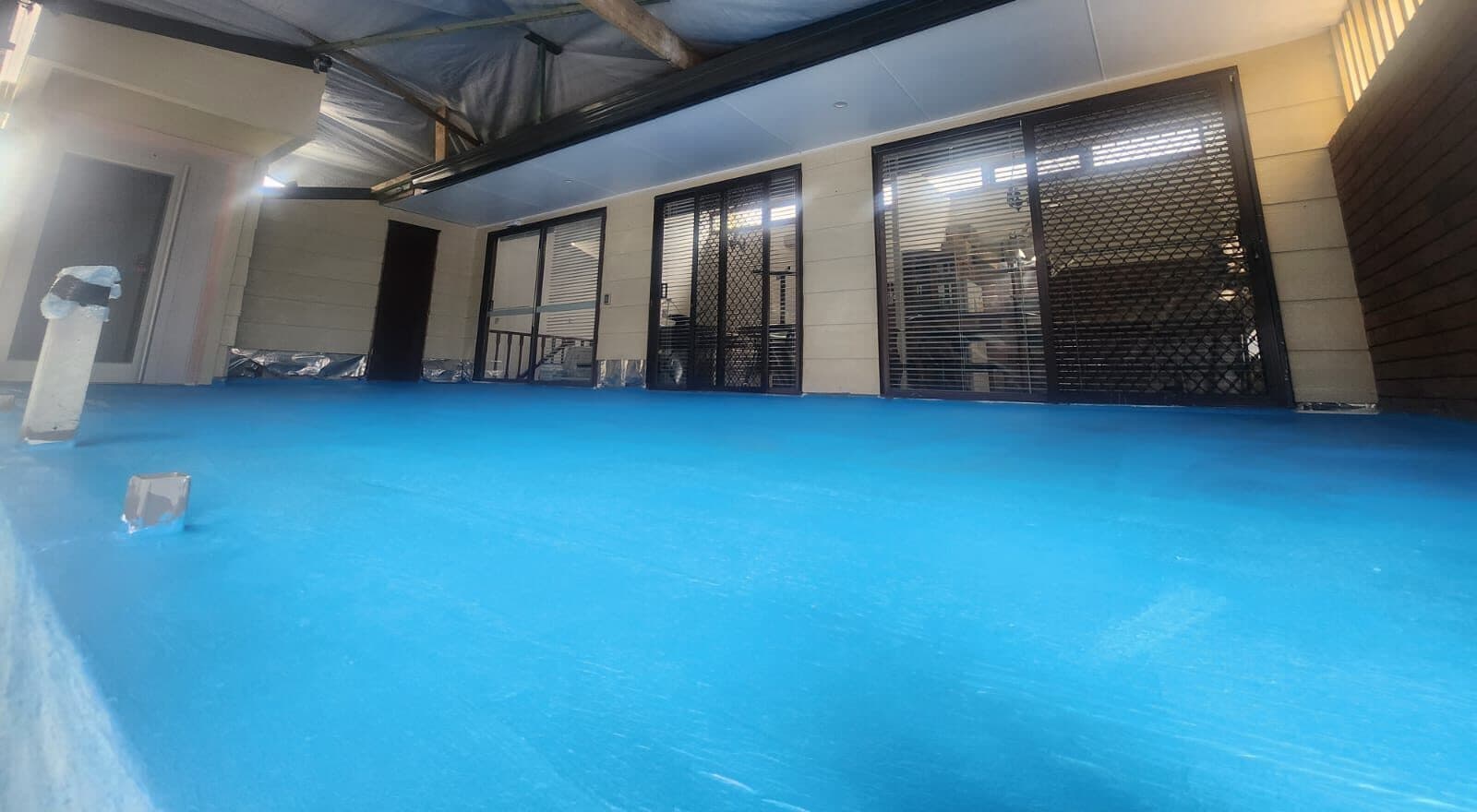
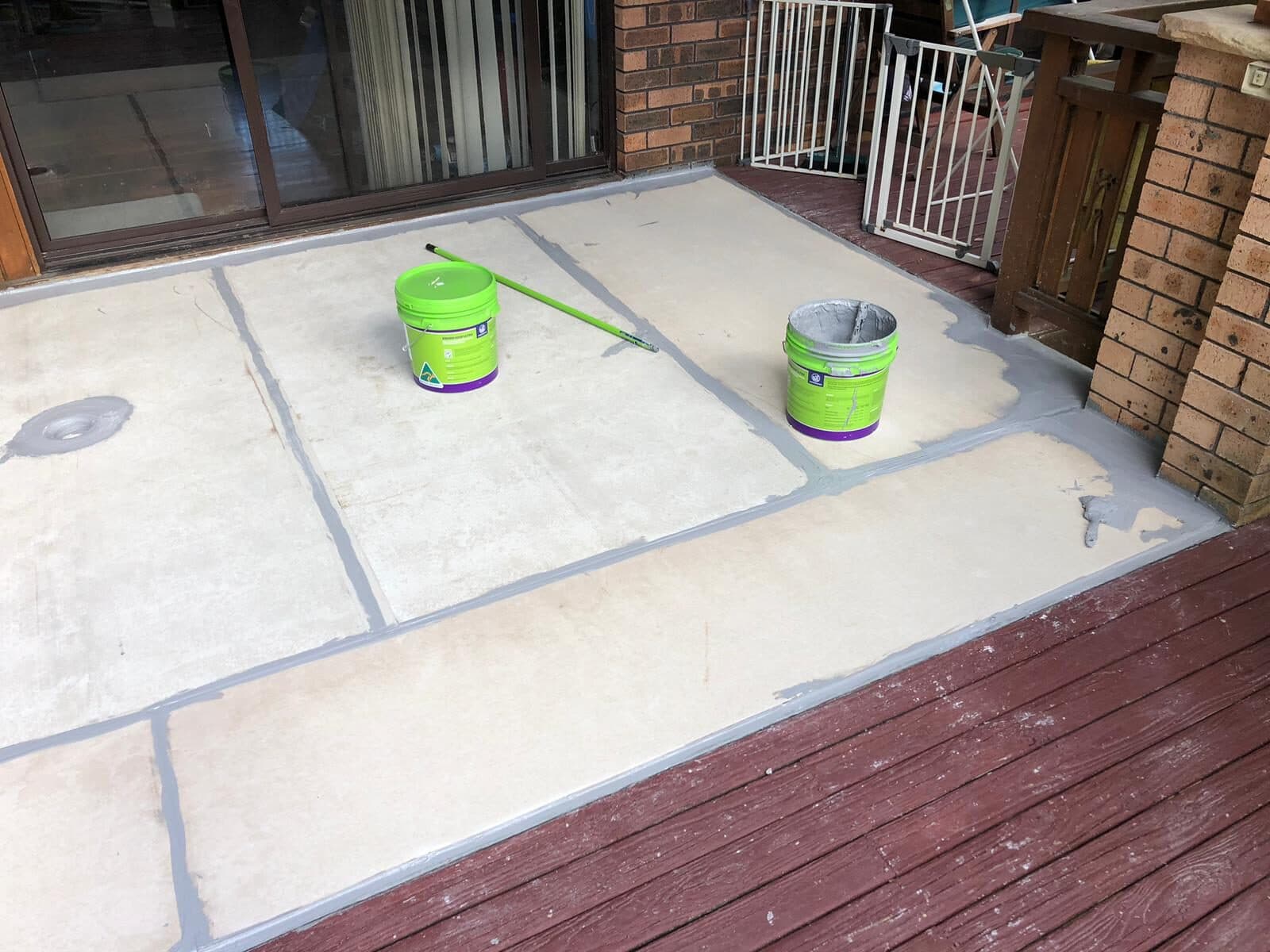
A large apartment balcony coated right up to the sliding doors
Reviews
What customers say
Every review is shown word for word, straight from Google.
Absolutely amazing work, really nice team and super flexible, our bathroom looks amazing 👏
Before you book
Details and questions
Still not sure?
Send a few photos of the job and the answer comes back with your free written quote.
Send photos for a quoteCall 0451 662 300More about this work
Remedial work starts from something that has already failed, often more than once. The first job is finding where water gets in, which is rarely where it shows: it can run along a slab, a tile bed or a wall cavity before it appears in the unit below.
A leak that keeps coming back usually means an earlier repair treated the symptom. Silicone over a crack, a clear sealer on the tiles or a coating on the ceiling below can stop drips for a season while the membrane underneath stays broken.
The options run from a local repair at one detail, through a new membrane over sound existing tiles, to stripping back to the slab. Which one is right depends on the substrate, the tiles and how many times the area has been patched already.
Unit blocks and owners corporations
On a strata building the leak and the damage are usually in different lots, and the balcony, roof or planter it comes from is often common property. Access, notice to residents and entry to the units below are arranged through the strata or building manager, and the work stays within the scope the owners corporation has approved.
In an apartment building (Class 2 under the building code), remedial waterproofing is generally regulated building work under the Design and Building Practitioners Act 2020. A registered design practitioner prepares the design, and the regulated design and design compliance declaration are lodged on the NSW Planning Portal before work starts, so allow for that step in the timeline. The exception for waterproofing covers only bathroom, kitchen, laundry or toilet alterations in a single dwelling that are also exempt development.
Renovating a bathroom in a strata unit: approvals and waterproofingShops, offices and other commercial buildings
Commercial remedial work follows the same steps as a strata job: find where the water gets in, agree a written scope with the owner, agent or facility manager, then repair it. That covers flat roofs, balconies and terraces, staff bathrooms and other wet areas, basements and lift pits, with noisy or dusty stages planned around trading hours and tenants.
A building with apartments in it, including shops with units above, is Class 2 work, so the design step above applies. A building with no residential part usually isn’t, and the scope comes from the owner or their consultant; the work follows it and the site’s induction and safety rules.
Repairs over existing tiles
Over-tile systems suit balconies, terraces and some flat roofs where the tiles are firmly bonded, the water drains properly, and the leak is through the grout and joints. They avoid the noise, dust and time of demolition, which matters most in an occupied building.
They don’t suit floors with drummy tiles, ponding or a broken-down bed, and they raise the surface slightly, so door sill and outlet heights are checked before this option is offered.
Can the work be done while residents are living there?
Usually, for over-tile repairs and roofs. Stripping tiles back to the slab is noisy and dusty, and the area can’t be used until the new membrane and finish have cured, so residents of the lot need notice.
Do you work on commercial buildings?
Yes: shops, offices and mixed-use buildings, on roofs, balconies, wet areas, basements and lift pits. Send photos, the suburb, and any access or trading-hour limits.
Does strata waterproofing need a design before work starts?
On an apartment building, remedial waterproofing that is regulated work needs a design from a registered design practitioner before it starts. Your strata manager can confirm whether a particular repair is regulated.
What should we send for a quote?
Photos of the damage from below and of the balcony, roof or planter above it, the building’s age if you know it, and any earlier reports or quotes. Strata managers can include the building and lot details so access can be planned.
Related
Keep reading
Related work
Standards and rules referred to on this page (3)
- 1.NSW Government: Remedial building work in regulated buildings (checked 12 October 2026)
- 2.Standards Australia: AS 4654.2-2012 Waterproofing membranes for external above-ground use, Part 2: Design and installation (checked 12 October 2026)
- 3.ABCB: NCC 2022 Volume One, Part F1 (F1D4 Exposed joints, F1D5 External waterproofing membranes) (checked 12 October 2026)