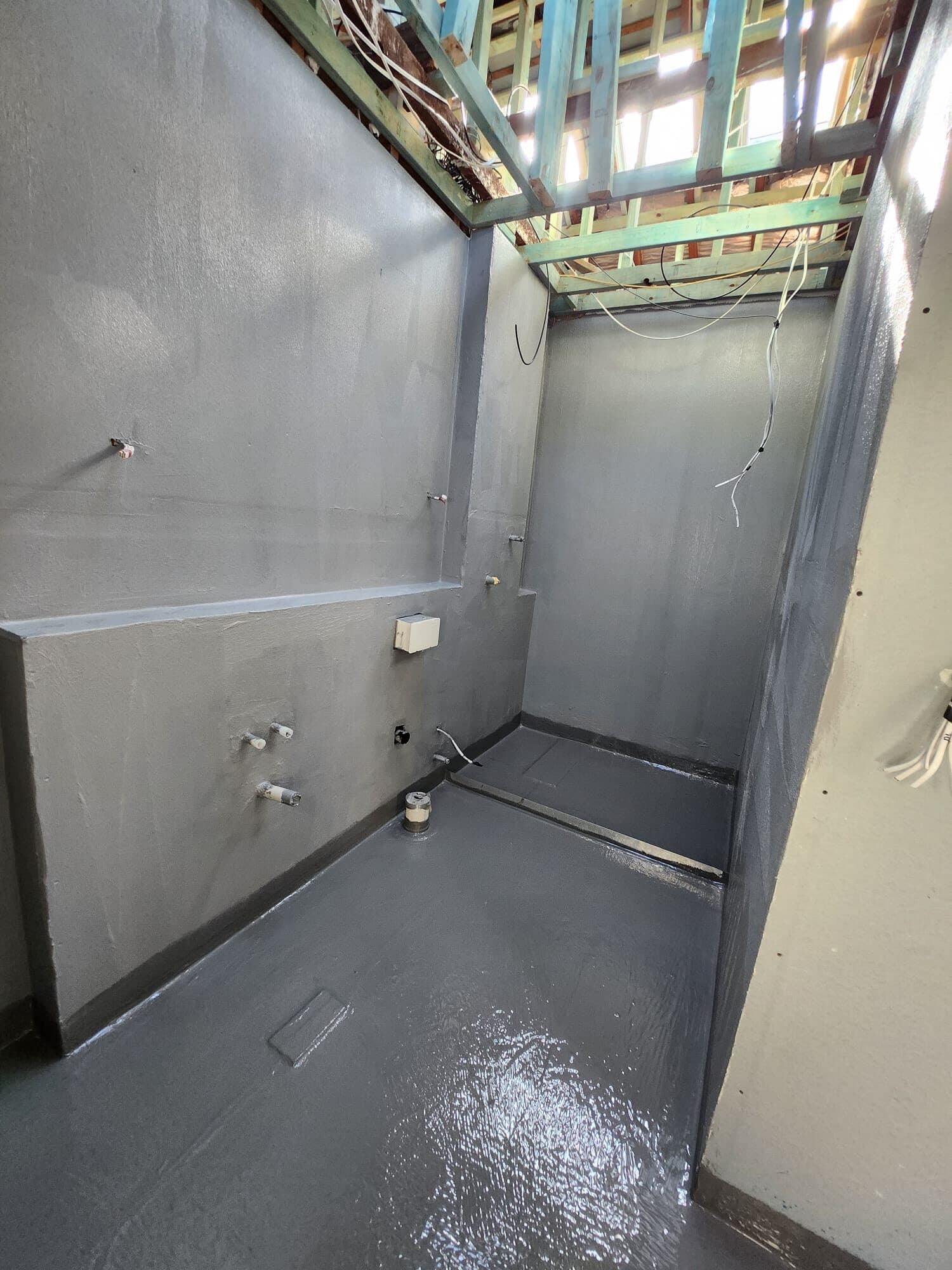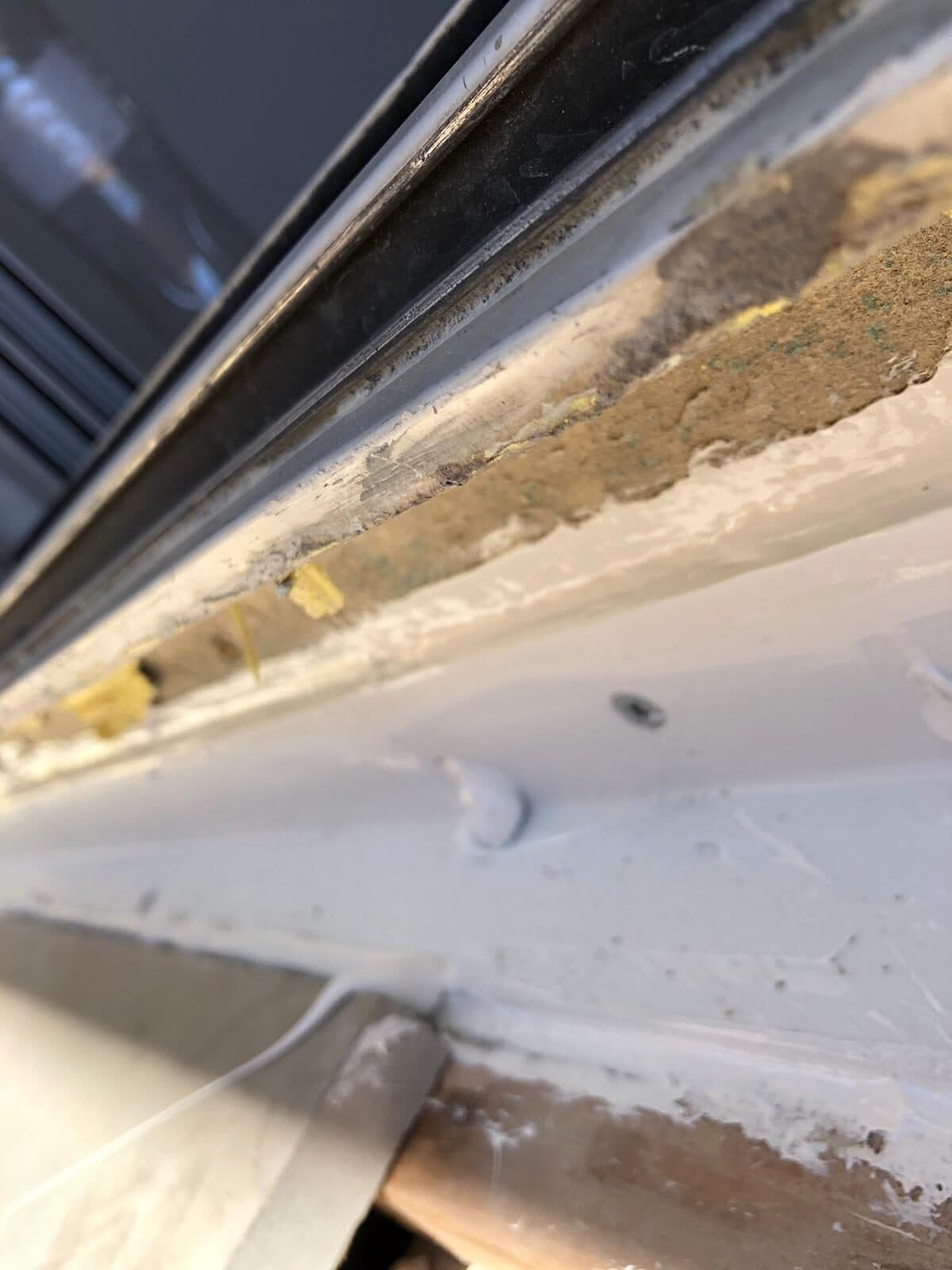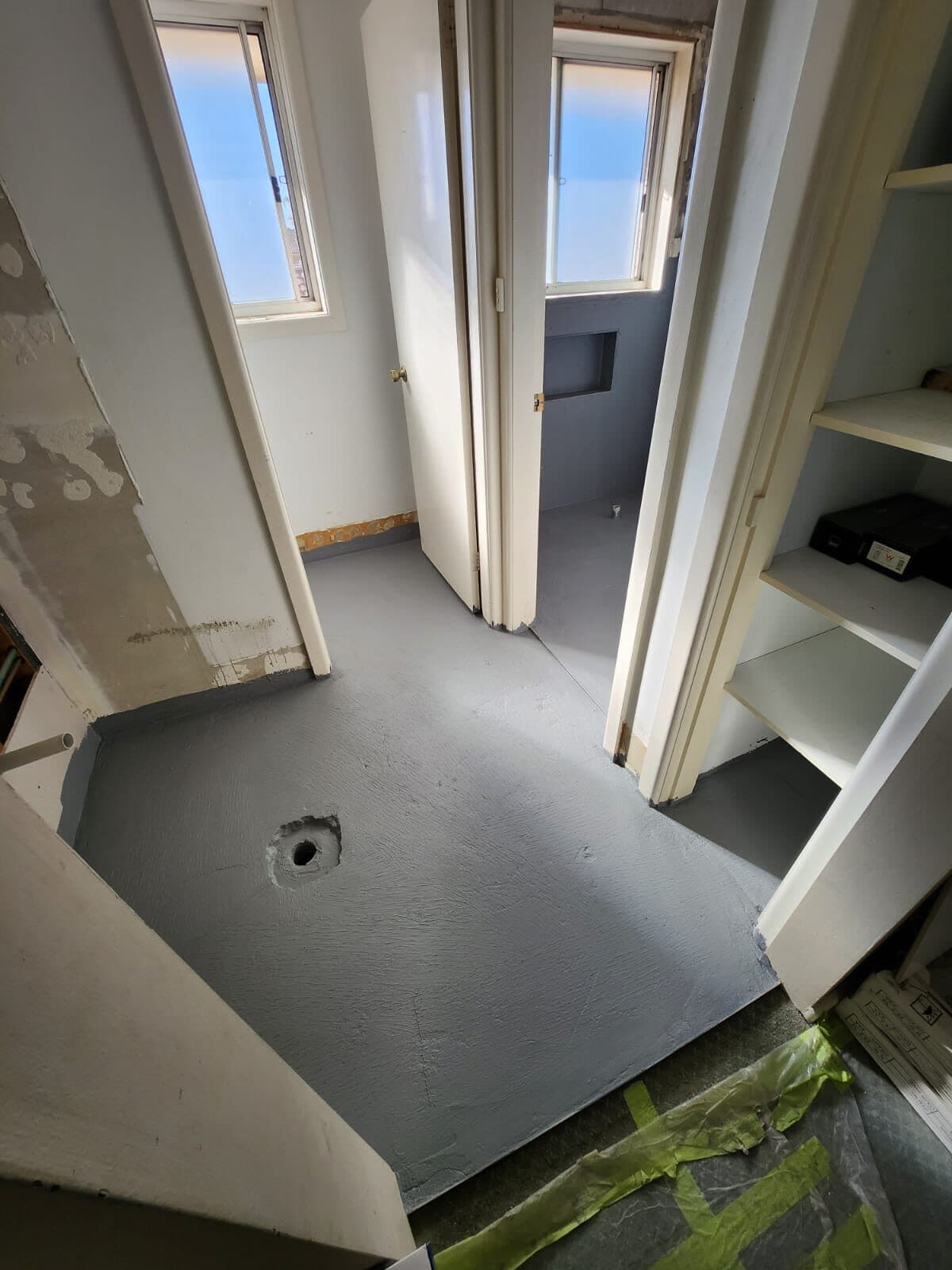
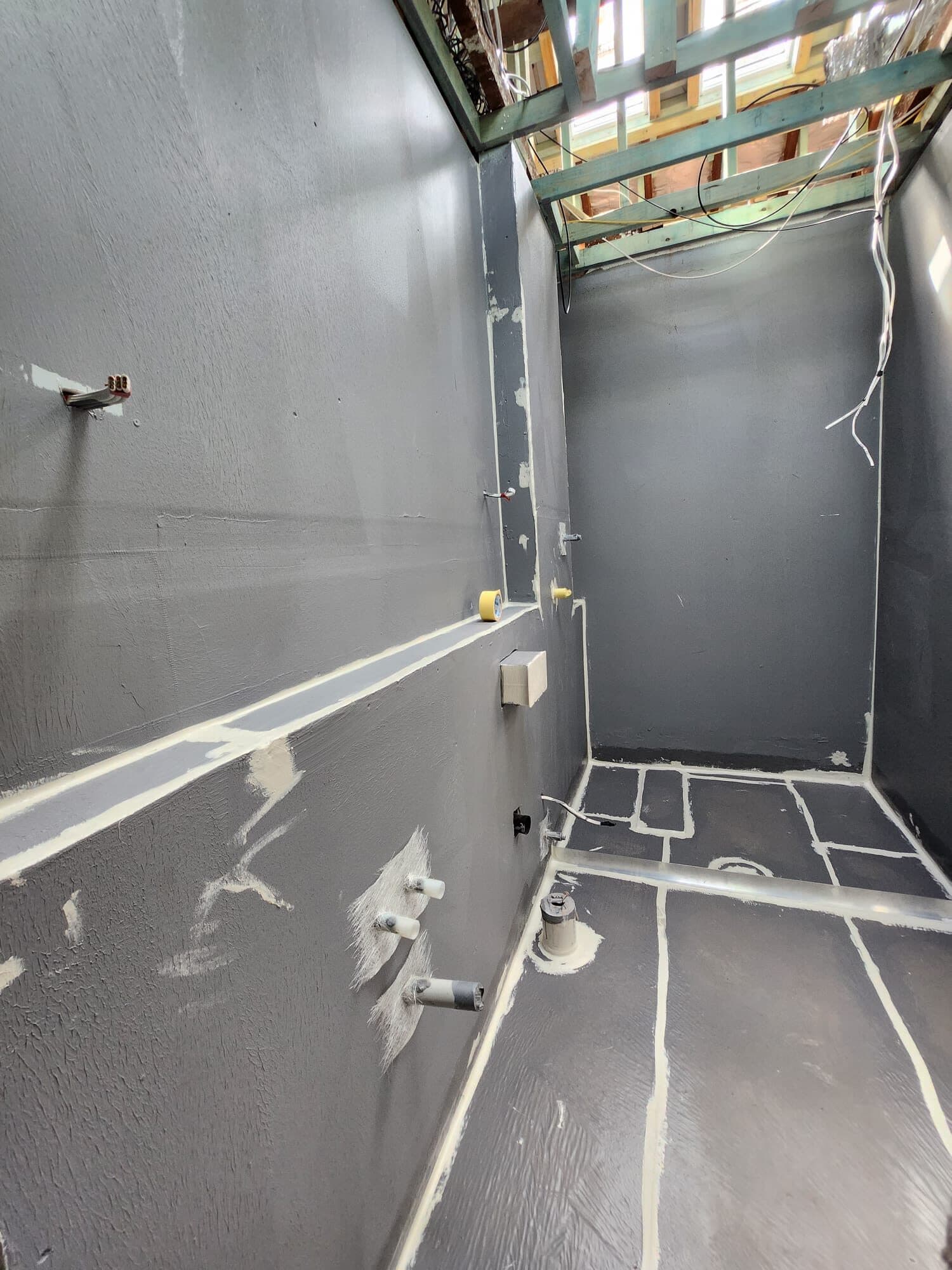
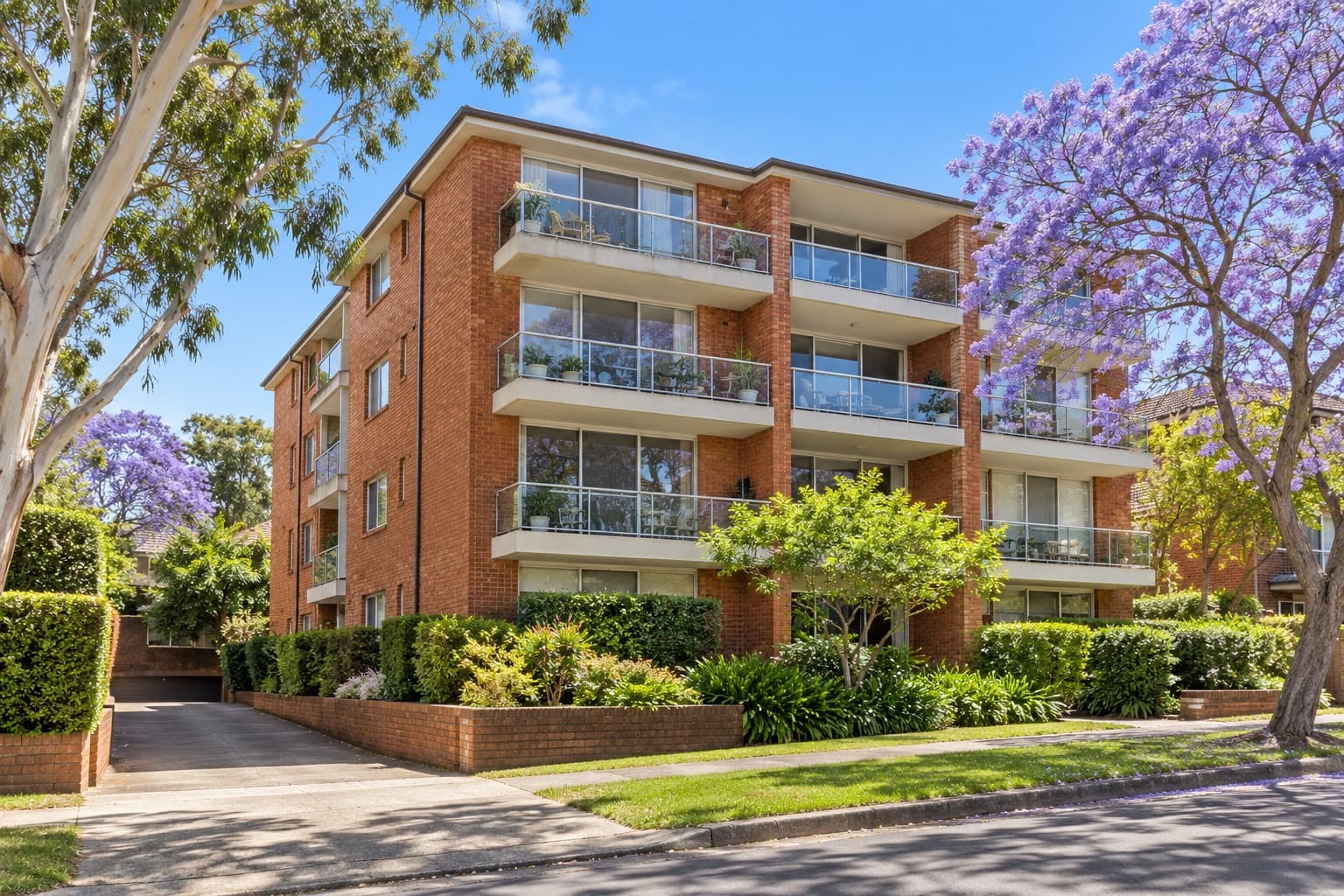
In NSW, renovating a bathroom in a strata unit is a major renovation, and so is any work that needs waterproofing: it needs the owners corporation's approval by special resolution at a general meeting before work starts (NSW Government, strata renovations, checked 3 November 2026). Who owns the waterproofing afterwards depends on the strata plan, the by-laws and when the existing membrane was laid. Our bathroom and shower waterproofing and remedial and strata waterproofing pages cover the work itself.
Strata renovation approvals at a glance
| Kind of work | Examples | Approval |
|---|---|---|
| Cosmetic | Painting, hooks, carpet, blinds | None, as long as no waterproofing is needed |
| Minor | Kitchen changes, hard flooring, wiring | Ordinary resolution, or the committee if a by-law allows |
| Major | Bathroom renovations, waterproofing, structural changes | Special resolution at a general meeting |
Why is a strata bathroom renovation major work?
NSW sorts renovations in a strata scheme into three kinds. Cosmetic work, such as painting or hanging pictures, needs no approval, but it cannot require waterproofing. Minor renovations, such as kitchen changes or new hard flooring, need approval by an ordinary vote, but they also cannot require waterproofing. Major renovations include bathroom renovations, waterproofing work, changes to the structure and work that needs other approvals such as council (NSW Government, strata renovations, checked 3 November 2026).
So the moment a bathroom, ensuite or laundry renovation means taking the tiles up and laying a new membrane, it is major work, even when the layout stays the same.
How do you get approval?
Major renovations need a special resolution at the annual general meeting or another general meeting of the owners corporation. A special resolution passes unless more than 25% of the value of the votes cast is against it. The resolution must also say who will maintain the common property affected by the work: the owners corporation or the lot owner (NSW Government, strata renovations, checked 3 November 2026).
In practice, that means:
- Talk to the strata manager early. Ask when the next general meeting is, whether the scheme has a renovations by-law, and what the owners corporation wants to see.
- Prepare the details. A scope of work, the trades and their licences, the membrane system and the standard it is installed to, the work hours, how materials and rubbish will move through the building, and insurance.
- Get the resolution passed before any tiles come up, and keep a copy of the minutes and any by-law that comes with it.
- Give notice before starting if the work changes the structure: at least 14 days' written notice to the owners corporation, describing the changes.
Work done without the approval it needed can leave you paying to put the property back the way it was.
Who is responsible for waterproofing in a NSW strata building?
Is waterproofing covered by strata? The original waterproofing often is, but it depends on the strata plan and the by-laws, and on who laid the membrane. In NSW the owners corporation repairs and maintains common property, and each owner maintains what is within their lot (NSW Government, strata repairs and maintenance, checked 3 November 2026).
Some schemes have adopted the NSW Government's common property memorandum, which applies only if the scheme has adopted it in its by-laws. Under the memorandum, the owners corporation is responsible for original tiles and the waterproofing laid with them when the strata plan was registered; tiles and waterproofing that an owner installed after registration are that owner's responsibility (checked 3 November 2026). A by-law passed for your renovation can also make you responsible for the new work.
The practical result: once you renovate, the new bathroom's membrane is usually yours to maintain, and a leak from it into the unit below is likely to be yours to fix. That makes the quality of the membrane, and the paperwork that proves it, worth more in a unit than in a house.
What does the code ask of a bathroom in an apartment?
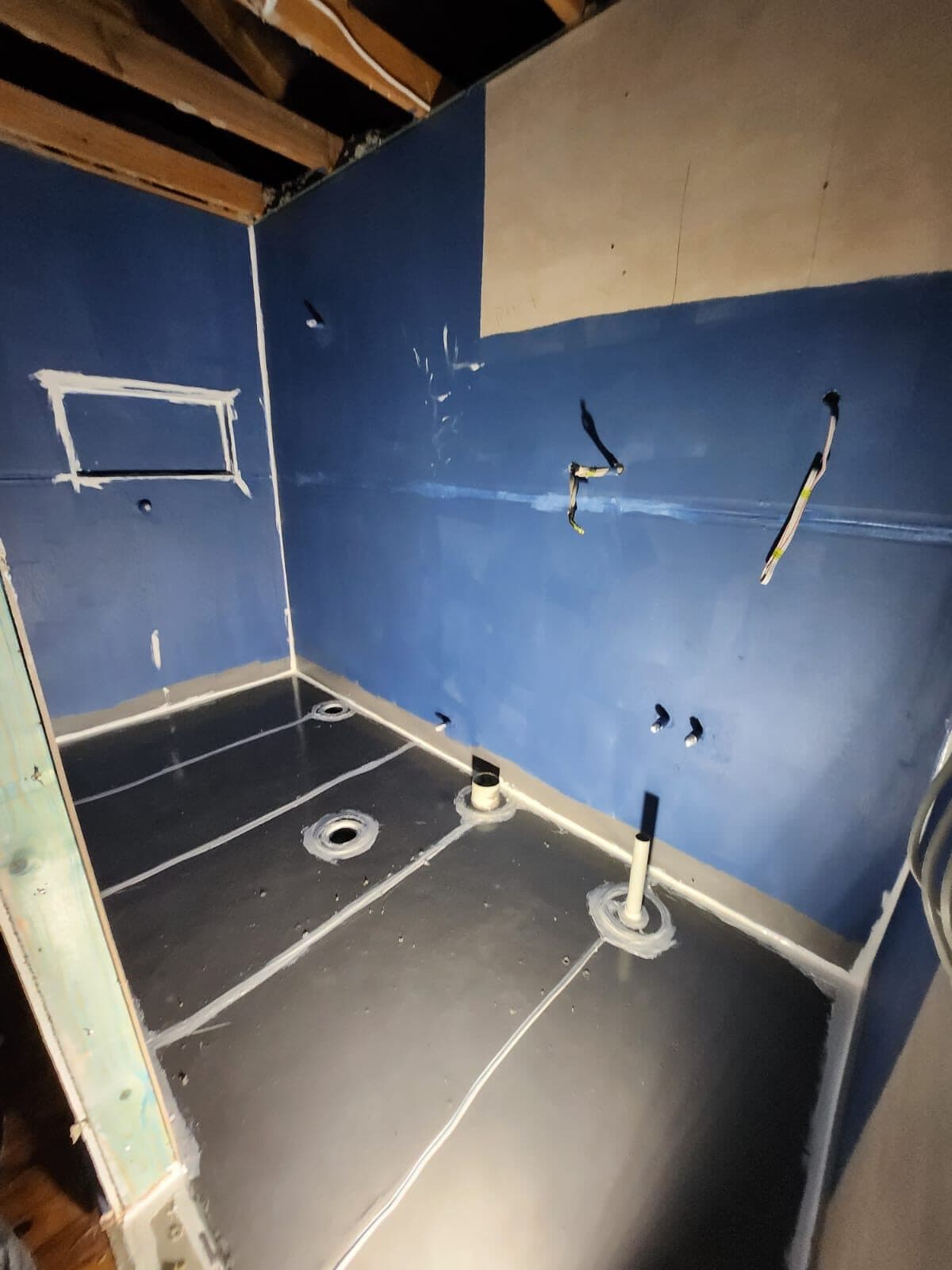
Apartment buildings come under Volume One of the National Construction Code. Wet areas comply with Specification 26 or AS 3740, and a bathroom or laundry above another unit or a public space must have a floor waste (NCC 2022 Volume One, Part F2, checked 3 November 2026). Where a floor waste is required, the floor, the wall and floor junctions and the penetrations must be waterproof (NCC 2022 Volume One, Specification 26, checked 3 November 2026). In most apartment bathrooms that means a full floor membrane as well as the shower walls. Our standards guide covers the wet-area rules in more detail, and our laundry guide covers laundries.
Does the Design and Building Practitioners scheme apply?
Usually not to a single bathroom, but check. Apartment buildings are Class 2 buildings, and remedial waterproofing on them falls under NSW's Design and Building Practitioners scheme, which needs a registered design and compliance declarations. The exemption is narrow: waterproofing done as part of alterations to a bathroom, kitchen, laundry or toilet, in a single dwelling, where the work is exempt development (NSW Government, remedial building work in regulated buildings, checked 3 November 2026). If the work needs council approval, or reaches beyond your own unit, ask the strata manager and your waterproofer whether the scheme applies before you compare quotes.
Can you do the waterproofing yourself?
Not in most cases. NSW does not issue owner-builder permits for renovations to strata apartments, and waterproofing work worth more than $5,000, including labour, materials and GST, must be done by a licensed contractor (NSW Government, waterproofing work, checked 3 November 2026). The owners corporation will usually want to see the licence numbers of the trades before it votes.
What paperwork should you keep?
Keep the special resolution and any by-law, the contract, the waterproofer's licence number, and a waterproofing certificate that names the areas, the membrane and the standard, with a flood test result where one was done. If water ever shows in the unit below, these are what the strata manager, the insurer and your neighbour will ask for, and they matter again when you sell. Our guide to waterproofing certificates in NSW explains what the certificate should state.
Is a leak coming from your unit, or into it?
If water is showing in a ceiling below a bathroom, the source is not always the bathroom above: it can be a pipe, a balcony or a building defect in common property. Report it to the strata manager in writing with photos, and have the source found before anyone starts lifting tiles. Our guide to leaking balconies covers how responsibility is worked out in a strata building. To book a quote for a strata bathroom, send photos and your building's details through our enquiry form, or call 0451 662 300.