
NSW contractor licence 260823C
Retaining wall waterproofing in Sydney
We waterproof the soil side of block and concrete retaining walls before backfill, so the wall stays dry and water drains away instead of building up behind it.
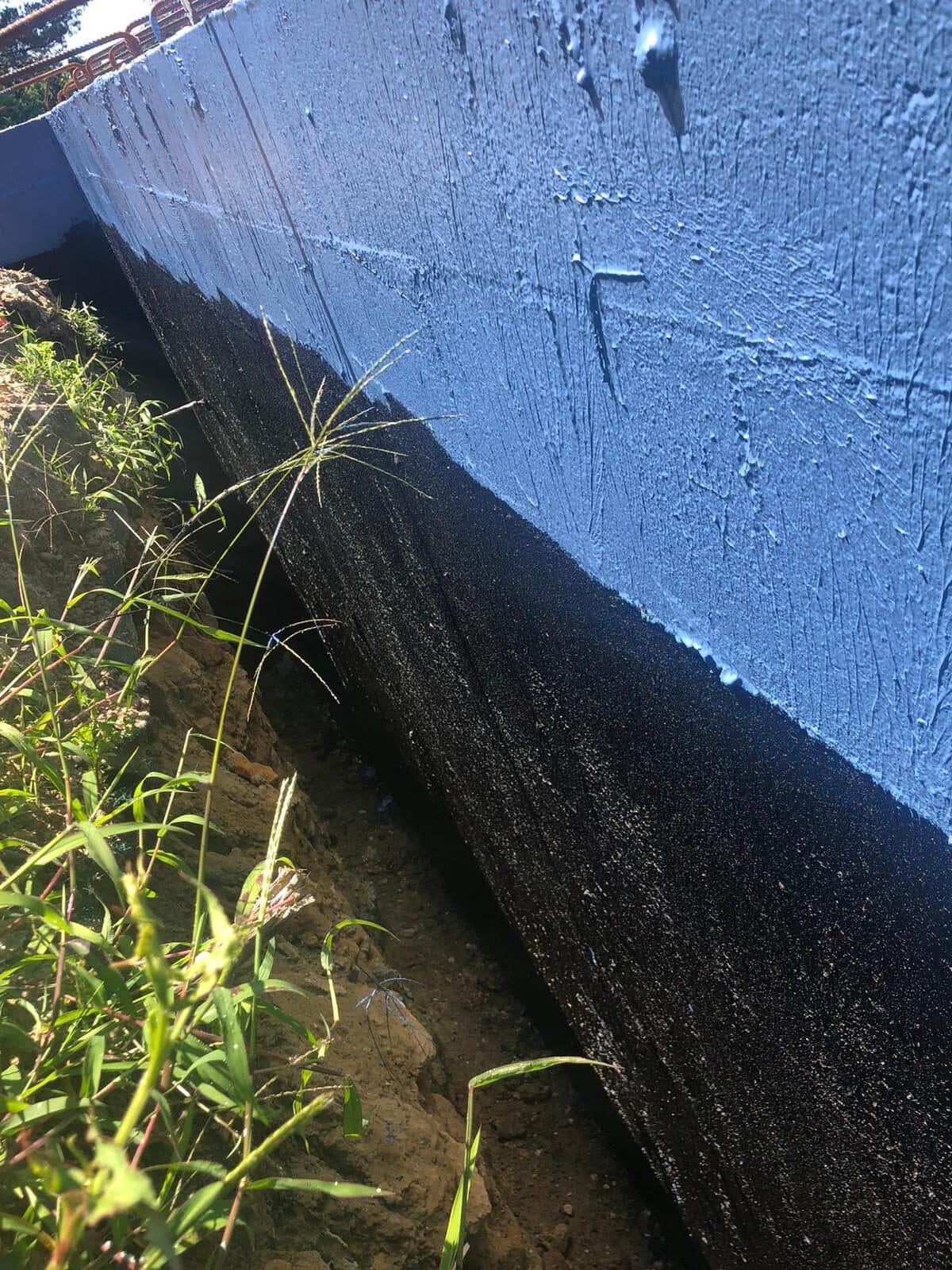
 Finished look
- Membrane over the footing
- Protection board over the membrane
- Drainage behind the wall
Get a free quote
Retaining wall waterproofing
Add photos if you can. We usually reply within one business day.
NSW contractor licence 260823C
Our service
What retaining wall waterproofing includes
Preparing the blockwork
Mortar joints struck flush and the core-fill checked, so the membrane goes onto an even, solid face.
Membrane over the footing
Run down over the footing so water can’t travel under the bottom edge into the wall.
Protection board
Keeps rocks and compaction in the backfill from puncturing the membrane.
Drainage behind the wall
A drainage cell or gravel layer wrapped in filter fabric, over an ag-line at the base that falls to an outlet.
Signs
Waterproofing, drainage or an engineer?
Salts and staining on the face
Water is moving through the blocks. On a garden wall it’s mostly cosmetic; on the wall of a room it’s a leak.
Wet after every rain
Water is building up behind the wall, often because there’s no ag-line or the one there has silted up.
Bulging or cracking
A wall that’s moving is a question for a structural engineer before it’s a waterproofing one.
A new wall going in
This is the time to do it. Once the backfill is in, the back of the wall can only be reached by digging it out again.
The build-up
Behind the wall
A block retaining wall before backfill.
Placed in layers once the wall is waterproofed.
Runs along the footing and falls to an outlet.
Lets water fall to the base without carrying soil with it.
Takes the knocks from backfilling.
Liquid or sheet, from over the footing up to finished ground level.
Prepares the blockwork for the membrane.
Joints struck flush to give the membrane an even face.
Diagram of a typical job, not to scale. Select a layer to see what it does.
Step by step
How the job runs
- 1
Photos and a quote
Photos of the wall, the damp face and whether the soil side is open or still to be backfilled, for a free written quote. We usually reply within one business day.
- 2
Blockwork prepared
Mortar joints are struck flush and the core-fill checked, so the membrane goes onto an even, solid face.
- 3
Membrane over the footing
The membrane goes on the soil side and runs down over the footing, then a protection board covers it.
- 4
Drainage, then backfill
A drainage layer in filter fabric over an ag-line that falls to an outlet, then free-draining backfill.
Prices
How we price retaining wall waterproofing
A retaining wall is priced on its length and height, and whether it is new or has to be dug out first, so we price it from photos or a visit. Quotes are free.
What moves the price: our cost guideWhy choose us
Licensed, insured and backed in writing
A licensed waterproofer who does the job once and does it properly, with the insurance, paperwork and warranty to back it.
Check licence 260823C on the NSW registerLicence 260823C
NSW Waterproofing Technician since 2013, current to 10 July 2028.
$20m insured
Public liability cover on every job, big or small.
Statutory warranties
On home building work in NSW: six years for major defects, two for others.
Tested before it’s covered
Showers, bathrooms, balconies and flat roofs flood tested, with a waterproofing certificate.
Job photos
Our work on this service
Photos from our own jobs.
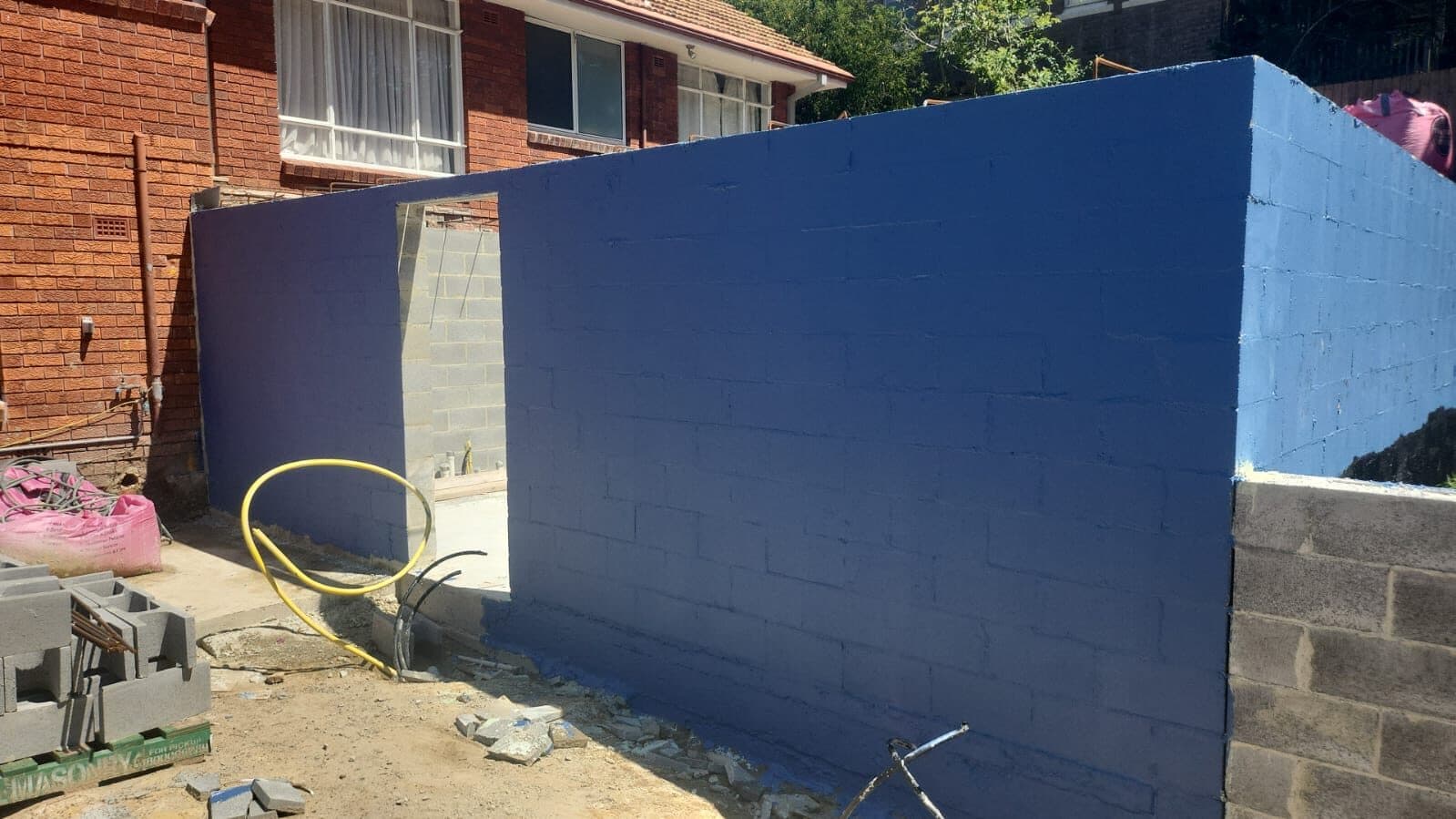
A blockwork wall coated around a new doorway opening 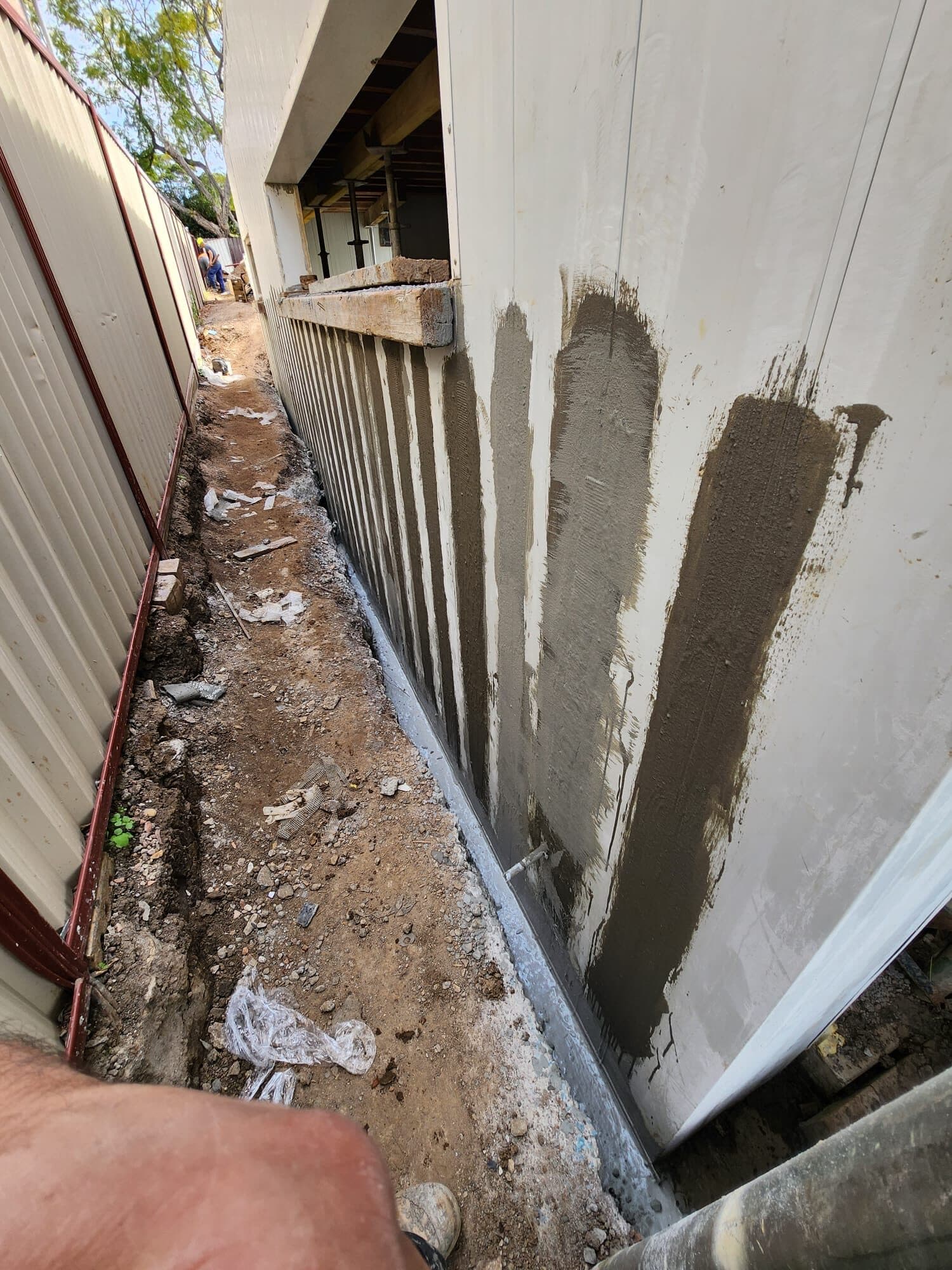
A first coat along the base of a wall in a narrow side passage 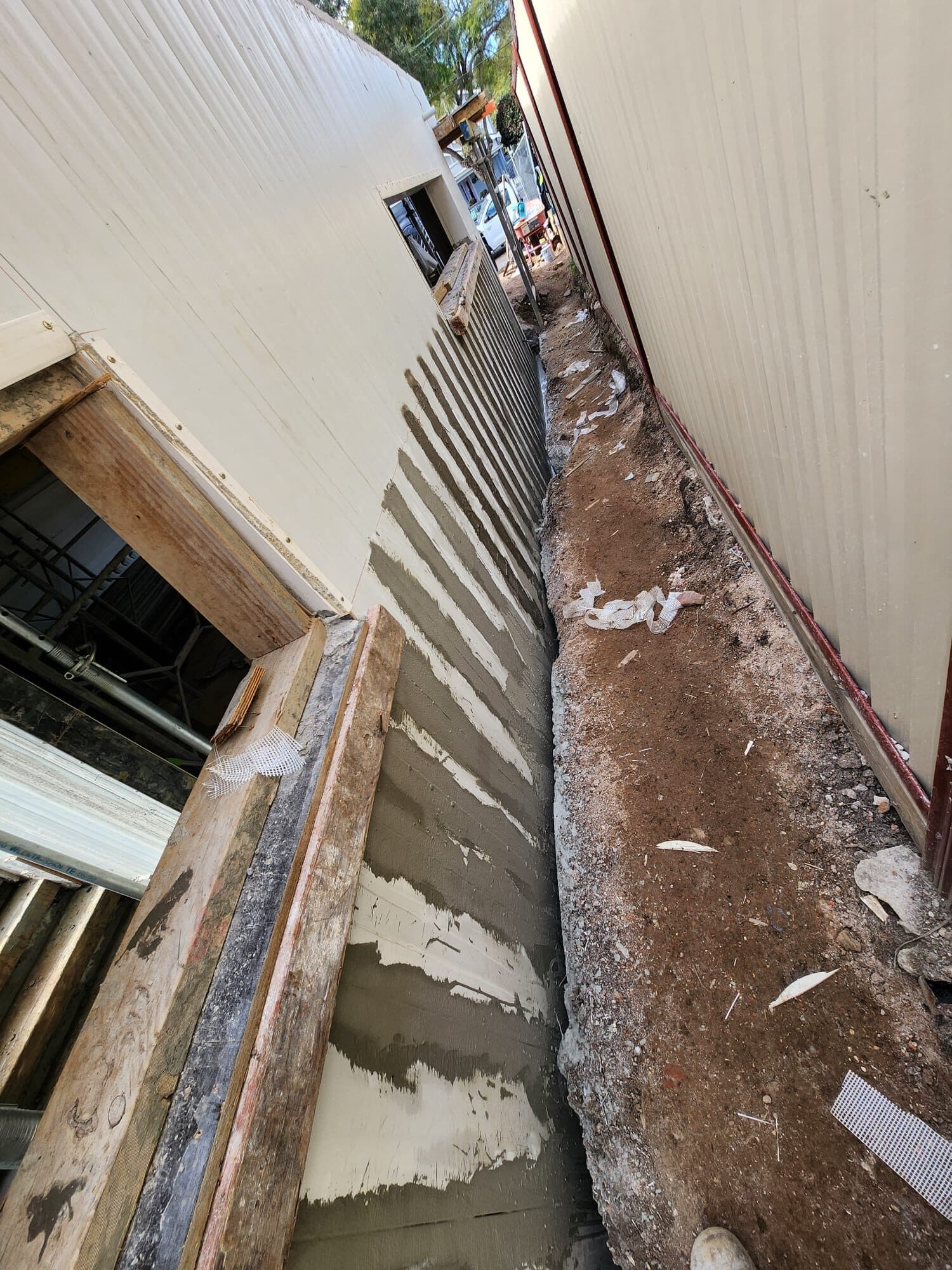
The same side passage, coated along its full length
Before you book
Details and questions
Still not sure?
Send a few photos of the job and the answer comes back with your free written quote.
Send photos for a quoteCall 0451 662 300More about this work
A retaining wall holds back soil, and the soil holds water. Without a membrane and drainage behind it, water soaks through the blockwork, leaves white salts on the face and keeps the wall wet. Where the wall is also the back of a garage, a rumpus room or a side passage, that water ends up inside.
Retaining walls are waterproofed from the soil side, after the wall is built and before the backfill goes in. The membrane goes down over the footing, a protection board covers it, and a drainage layer leads water to an ag-line at the base, so it’s carried away instead of pressing on the wall.
A garden wall with nothing behind its face may only need drainage and weep holes. A wall that forms part of the house, or holds soil against a room, is the one to waterproof fully.
Those white salts are efflorescence: water soaking through the wall dissolves salts in the blocks and mortar and leaves them on the face as it dries. Scrubbing them off clears the face, but they come back while water keeps passing through. A wall that keeps showing them needs the water stopped: a membrane and drainage behind it, or a negative-side treatment on the face where the soil side can’t be reached.
Why do retaining wall quotes differ?
Whether the back of the wall is open. Waterproofing before backfill is a different job from digging out an existing wall. Compare whether the membrane runs over the footing, and whether drainage and backfill are included.
Can an existing retaining wall be waterproofed without digging it out?
Only from the front, which can stop water reaching a room but won’t stop the wall itself getting wet. For a garden wall, improving the drainage at the top and through weep holes is usually the better use of the money.
How high does the membrane go?
To finished ground level on the soil side, with the top edge finished so water running down the face of the soil can’t get in behind it.
Related