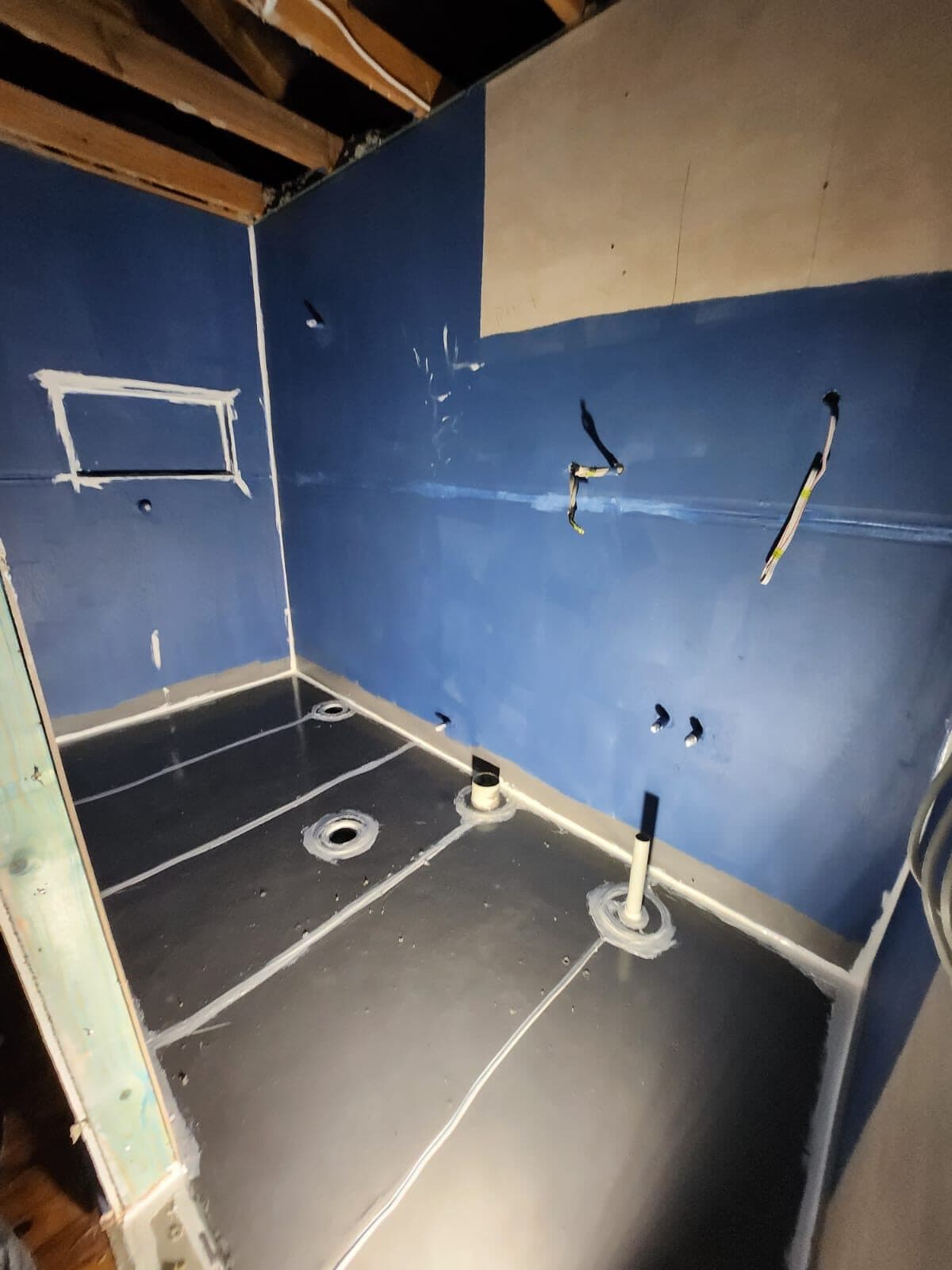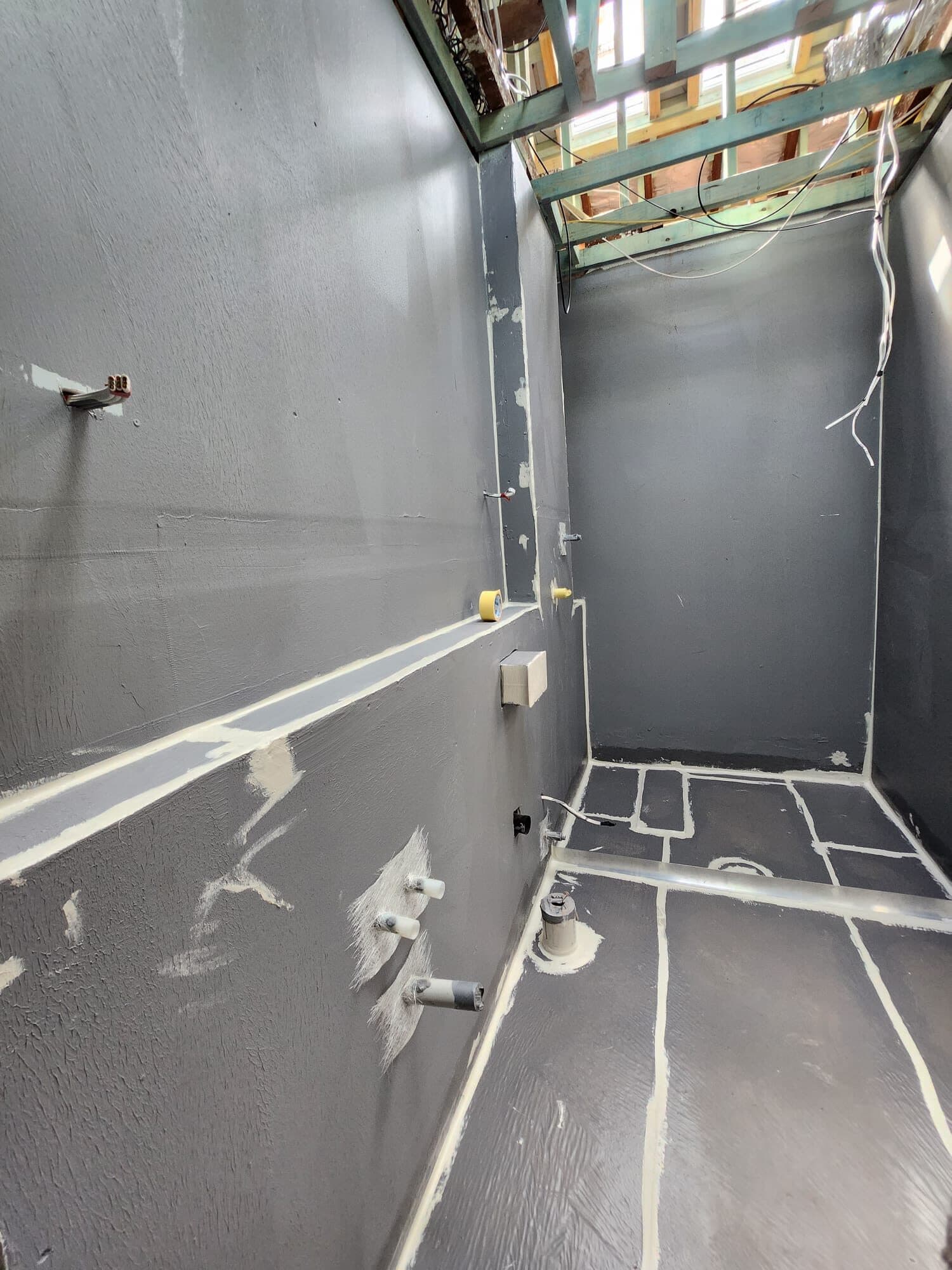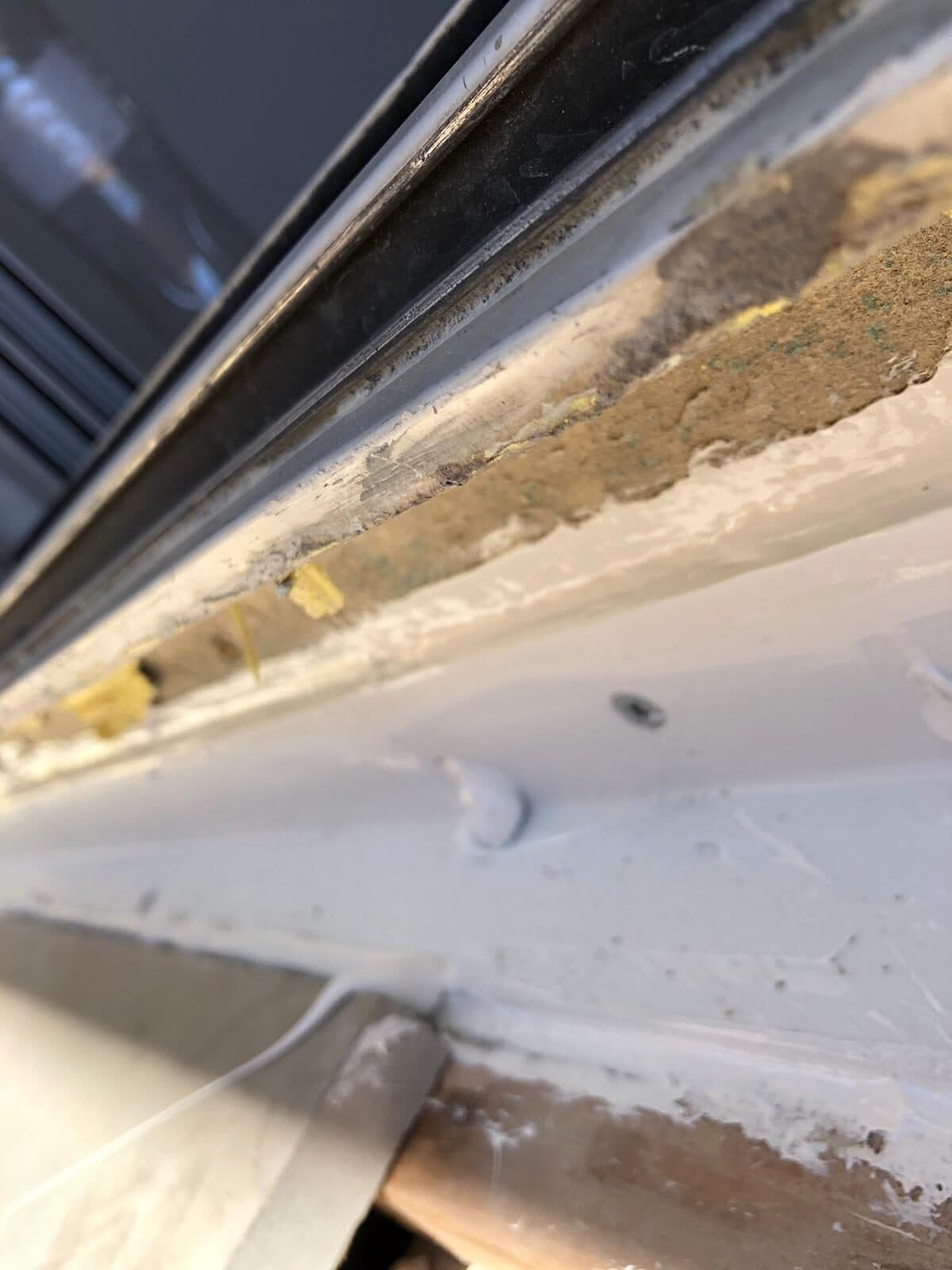
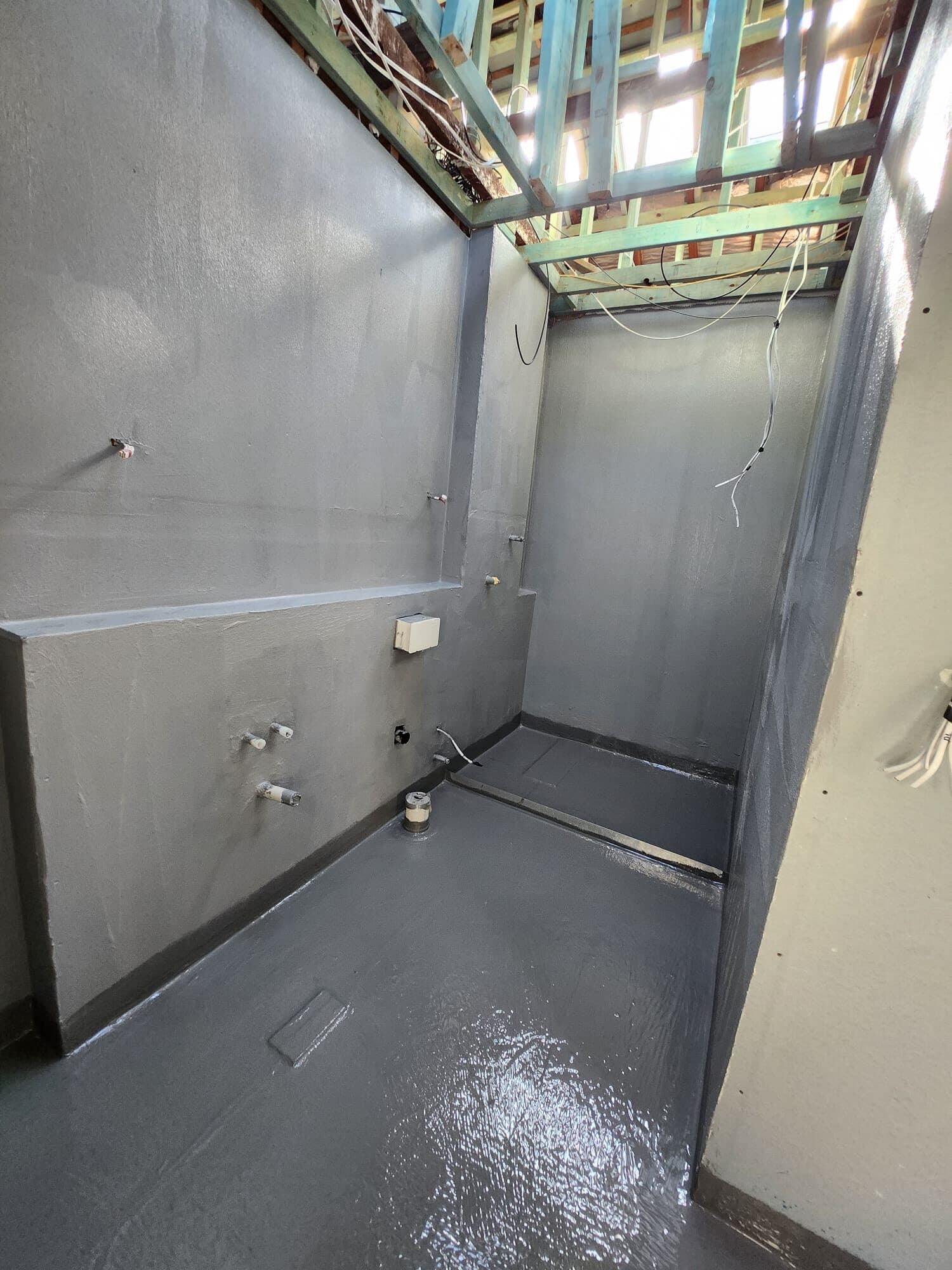
A waterproofing certificate is a signed statement from the licensed waterproofer who did the work, recording which areas were waterproofed, with which product, and to which standard. In NSW it matters at two points: when a certifier signs off building work before an occupation certificate, and later, if the membrane fails while the statutory warranties still run (6 years for major defects, with waterproofing named as a major element) (NSW Government, resolving building disputes, checked 28 October 2026). Our bathroom and shower waterproofing and balcony waterproofing pages cover the work itself.
For a free written quote on waterproofing that comes with its certificate, send photos of the area through our enquiry form, or call 0451 662 300.
What is a waterproofing certificate?
It is the waterproofer's written record of the job, sometimes called an installation report or a certificate of compliance. It is signed by the person responsible for the work and states that the membrane was installed to the relevant standard. Councils and certifiers often supply their own form for it. Fairfield City Council's waterproofing certificate, for example, asks for the job address, the development or construction certificate number, the installer's name and licence number, the areas treated, the product used and the standard it was applied to (checked 28 October 2026).
A waterproofing certificate is not the same document as a Home Building Compensation certificate. That one is an insurance certificate the contractor must give you before taking any deposit when a residential contract is worth more than $20,000 (NSW Government, contracts for residential building work, checked 28 October 2026). On a large job you may receive both.
Who can issue a waterproofing certificate in NSW?
The certificate should come from whoever carried out the waterproofing and holds the licence for it. In NSW, residential waterproofing over $5,000 is licensed work; our standards guide sets out the rule.
A certificate from someone who was not on site, or who does not hold a licence covering waterproofing, is worth very little to a certifier or in a dispute. Before you rely on one, look the licence number up on the NSW Government licence register and check the class.
What should a waterproofing certificate state?
A certificate that will stand up later names the job and the work precisely. Check that yours includes:
- The property: the street address, and the lot and plan number where the certifier's form asks for them.
- The installer: the name, the business, the licence number and contact details, with a signature and date.
- The areas waterproofed: each one named, such as the ensuite shower, the main bathroom floor, the laundry or the front balcony. "Bathroom" alone does not say whether the whole floor was treated or only the shower.
- The membrane: the product or system name, so its technical data sheet can be found later, and how many coats went on.
- The standard: AS 3740 or Part 10.2 of the ABCB Housing Provisions for wet areas inside a home, and AS 4654.2 for balconies, terraces and flat roofs. Our standards guide explains both.
- The flood test, where one was done: the date, how long the water was held and the result.
- The certifier's reference: the development application, construction certificate or complying development certificate number, if the job has one.
Older forms still in circulation sometimes refer to "Part 3.8.1" of the building code. That is the numbering from before NCC 2022. The certificate still records the work, but if your certifier wants the current references, ask for them to be written in.
What is a flood test?
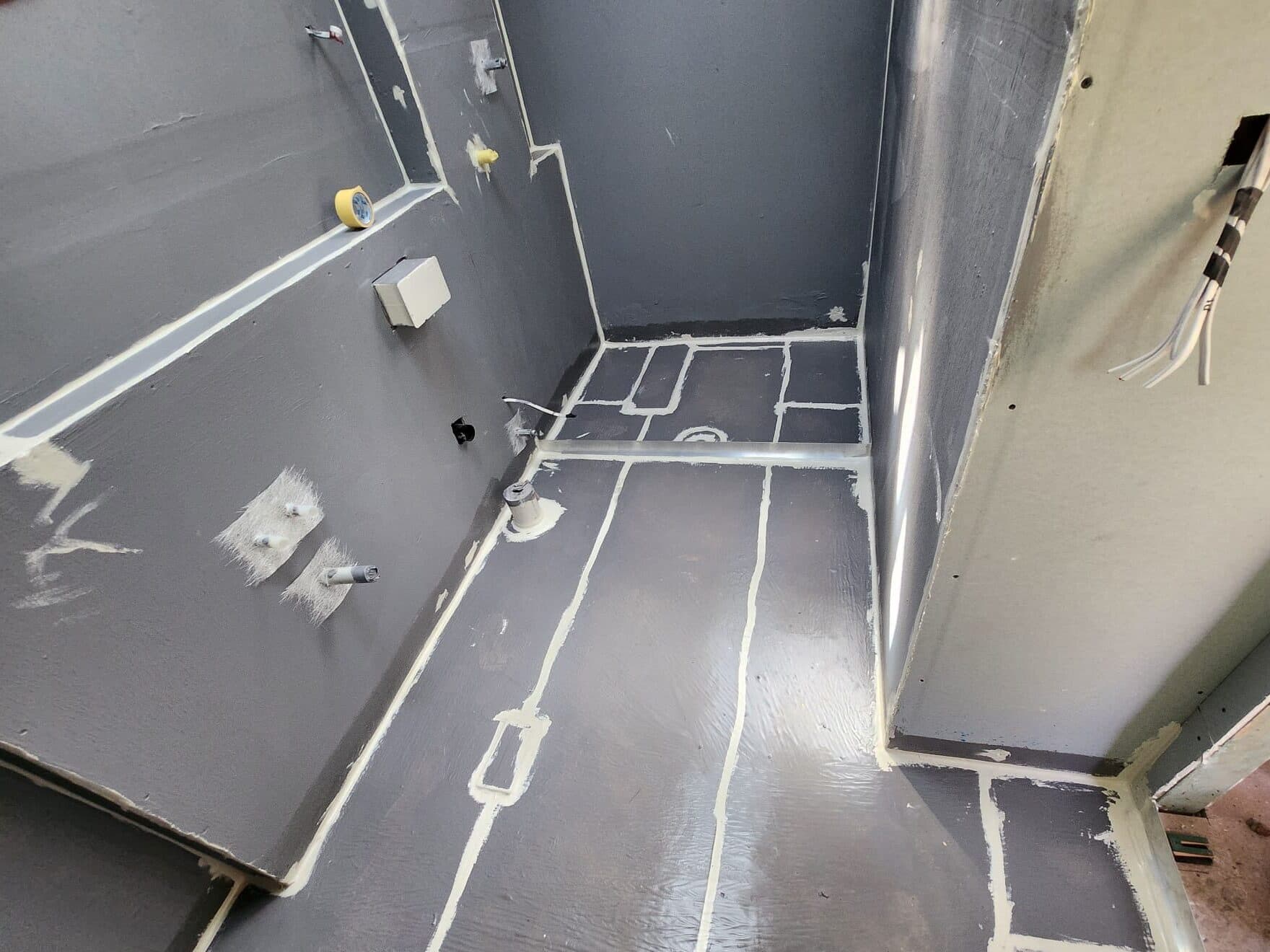
A flood test checks the membrane before anything covers it. Once the membrane has cured, the floor waste is plugged, the area is filled with water to a set depth and the water is left to stand. The level is checked at the end, and the ceiling or room below is checked for any sign of water. If the level holds and nothing shows below, the membrane is covered. If it leaks, the fault is found and fixed while the membrane is still exposed, which is the only time it can be fixed without lifting tiles.
A flood test is most useful in showers, bathroom floors and balconies over rooms, where a failure would show up in someone's ceiling. Not every job gets one, so if it matters to you, ask for it in the quote and ask for the result to be written on the certificate. On our jobs, we flood test the membrane and give you a waterproofing certificate when the job is finished.
When does a certifier need a waterproofing certificate?
When the work is part of a development consent or a complying development certificate, the principal certifier has to inspect at set stages. For houses, one of the mandatory inspections is "prior to covering waterproofing in any wet areas" (Hornsby Shire Council, critical stage inspections, checked 28 October 2026). The list comes from section 61 of the Environmental Planning and Assessment (Development Certification and Fire Safety) Regulation 2021: wet area waterproofing is on it for houses and for Class 2, 3 and 4 buildings, and a certifier cannot issue an occupation certificate if a mandatory inspection was missed (Bega Valley Shire Council, about inspections, checked 28 October 2026).
The inspection is the certifier's job; the waterproofing certificate is the paperwork that goes with it. Certifiers commonly ask the waterproofer for one as part of the evidence for the occupation certificate. The schedule attached to your construction certificate or complying development certificate lists the inspections for your job, so read it before the bathroom is booked and tell your waterproofer when the inspection needs to happen. A membrane tiled over before the inspection is a problem that only demolition can undo.
Do apartment buildings need more than a certificate?
Often, yes. NSW's Design and Building Practitioners scheme covers Class 2 buildings, which includes apartment buildings, along with certain Class 3 and 9c buildings. On those buildings, the building practitioner must make compliance declarations that the work was built to the declared designs and complies with the Building Code of Australia, and these must be lodged on the NSW Planning Portal before an occupation certificate is applied for (NSW Government, building classes and roles, checked 28 October 2026).
Remedial waterproofing on a Class 2 building is covered by the scheme even when it doesn't need council approval: a registered design practitioner prepares the design, and the building practitioner lodges it with the compliance declarations. The one exception is narrow: waterproofing done as part of renovating a bathroom, kitchen, laundry or toilet within a single apartment, where that work is exempt development (NSW Government, remedial building work in regulated buildings, checked 28 October 2026). Owners corporations planning balcony or roof repairs should ask their strata manager whether the work falls under the scheme before quotes are compared. If you own a unit and are renovating its bathroom, see renovating a bathroom in a strata unit for the approvals.
How does the certificate tie in with the statutory warranties?
In NSW, residential building work carries statutory warranties of 6 years for major defects and 2 years for all other defects, for contracts signed since 1 February 2012, and waterproofing is listed as an example of a major element. A homeowner or a later purchaser can enforce these warranties (NSW Government, resolving building disputes, checked 28 October 2026). The warranty period starts when the work is complete, which is when it matches the contract or, without a contract that says so, when it can be used for its purpose and is free of major defects (NSW Government, contracts, checked 28 October 2026).
The certificate does not create the warranty; the law does. What it gives you is evidence: who did the work, when it was finished, what was used and where. If a shower starts leaking in year four, those details are what you need to raise it with the contractor, and they are what a buyer's solicitor or building inspector will ask for when you sell. The NSW Government's list of records to keep after building work includes the contract and variations, the Home Building Compensation certificate, any written warranties from the builder or manufacturers, proof of payments and all correspondence about the work (checked 28 October 2026). Keep the waterproofing certificate in the same folder.
What should you ask for before the job starts?
Agree the paperwork when you agree the price, not after the tiles are down:
- Who signs the certificate, and the licence number it will carry.
- Whether a flood test is included, and that its result will be written on the certificate.
- Which standard the work is installed to, and which areas get a full membrane rather than water-resistant treatment.
- Whether your certifier has a form they want filled in, and when they need to inspect.
- For strata buildings, whether the work needs a registered design and compliance declarations under the Design and Building Practitioners scheme.
If you are comparing quotes, how much waterproofing costs in Sydney explains what else a written quote should list. If your balcony is already leaking, our guide to leaking balconies covers the causes and who is responsible in a strata building.